In the world of packaging, thermoforming plays a crucial role. This method, using heat to shape plastic, is widely utilized for creating protective shells for products. When examining what materials are commonly used in thermoforming packaging, various factors come into play. These include durability, clarity, and cost-effectiveness.
Polyethylene terephthalate (PET) is a popular choice due to its recyclability and strong barrier properties. Polystyrene (PS) is another common material, known for its affordability and ease of processing. However, while these materials perform well, they may not be the best in all situations. Often, manufacturers have to balance quality with environmental concerns.
As we delve deeper into the spectrum of materials used in thermoforming packaging, it is essential to evaluate their strengths and weaknesses. Understanding these aspects can lead to better decisions in product packaging. The choices we make now can impact sustainability and functionality in the long run.
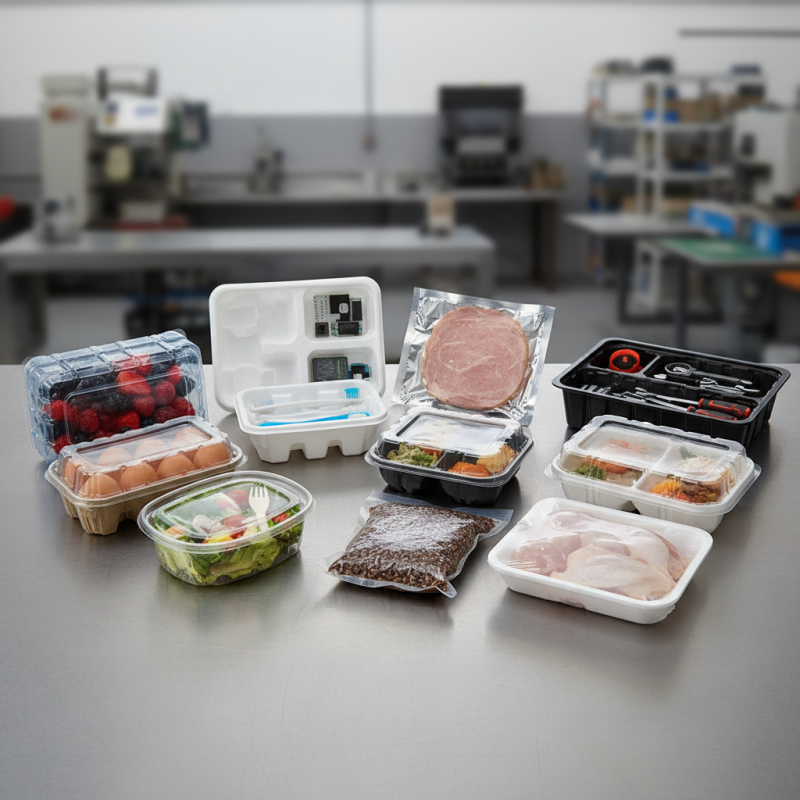
Thermoforming packaging is popular due to its versatility and efficiency. A range of materials are often used in this process. Common choices include PET, PVC, polystyrene, and polypropylene. These materials vary in properties, allowing them to cater to different needs. For instance, PET is recyclable and offers great clarity. PVC provides durability, while polystyrene is lightweight and cost-effective.
When selecting materials for thermoforming, consider the end-use of your packaging. Certain materials are better suited for food applications, while others excel in industrial settings. Always evaluate the temperatures and conditions your packaging will encounter. This helps in choosing a material that performs well under stress.
Tips: Choose recyclable materials whenever possible. This promotes sustainability. Also, test your prototypes thoroughly. This can save costs down the line. Remember, your initial choice might not always be ideal; be open to adjustments. It's a learning process.
Polyvinyl Chloride (PVC) is a widely used material in thermoforming applications due to its versatility and cost-effectiveness. This thermoplastic polymer is known for its strong durability, making it ideal for various packaging solutions. According to industry reports, PVC accounts for approximately 17% of the global packaging market. Its properties allow for easy forming and shaping, which is essential in creating custom packaging designs.
The thermoforming process involves heating PVC sheets until pliable. Once heated, the material can be molded into different shapes. This flexibility has led to its adoption in sectors like food packaging and medical devices. The World Packaging Organization notes that the use of PVC in food packaging can increase food shelf life by preventing contamination.
While PVC has numerous advantages, there are concerns surrounding its environmental impact. PVC is not biodegradable, and the recycling process can be complicated. Industry experts emphasize the need for improved recycling methods and alternative materials. Balancing PVC's benefits with its environmental footprint poses an ongoing challenge for manufacturers. As the industry evolves, focusing on sustainable practices will be vital for the future of thermoforming packaging.
Polyethylene Terephthalate (PET) is a widely used material in the thermoforming packaging industry. Its popularity stems from its excellent clarity, strength, and resistance to impact. According to a report by Grand View Research, the global PET market size was valued at approximately $27 billion in 2020. This indicates significant reliance on PET in packaging applications, particularly for food and beverage products.
PET is favored for its recyclability, with a recycling rate of around 27% in many regions. However, challenges remain in improving this figure, and waste management practices can vary widely. Industry experts emphasize the need for better recycling infrastructure and consumer awareness. Moreover, while PET can maintain the freshness of products, it is crucial to monitor the conditions under which it is used to prevent degradation over time.
Thermoformed PET trays play a significant role in the food industry, providing an effective barrier against moisture and oxygen. But, there are concerns about chemical leachables from scratched or damaged surfaces. Responsible sourcing of materials and rigorous testing protocols are essential. The evolution of biodegradable alternatives to PET also sparks debate among manufacturers, as many consider the balance between sustainability and performance.
Polypropylene (PP) has emerged as a leading material in thermoforming packaging due to its unique characteristics and benefits. This versatile plastic boasts high chemical resistance and good thermal stability. According to a recent industry report, the global demand for polypropylene is expected to grow by 5.5% annually through 2030, highlighting its significance in packaging applications.
One of the standout features of PP is its lightweight nature. This quality reduces transportation costs and enhances energy efficiency. Additionally, PP is recyclable and can be reused in various applications, a crucial aspect as sustainability becomes a priority for many companies. Despite these advantages, the material has some drawbacks. Its barrier properties may not suffice for certain products that require longer shelf life. Some experts note that improvements are still needed in this area to meet consumer expectations.
Moreover, PP has excellent clarity, allowing consumers to view contents easily. This transparency boosts product appeal on the retail shelf. However, maintaining the balance between cost and performance remains a challenge. Manufacturers continuously seek innovative methods to optimize PP's properties while keeping production costs in check. The market for PP is dynamic, and keeping up with trends is essential for staying competitive.
Expanded Polystyrene (EPS) is a widely used material in thermoforming packaging. This lightweight foam has become popular due to its excellent insulation properties and cushioning. In fact, the global EPS market was valued at around $15 billion in 2022 and is projected to grow steadily. Companies appreciate its ability to absorb shock, making it ideal for protecting fragile items during shipping.
Common applications of EPS include food service containers, disposable coffee cups, and protective packaging for electronics. Many fast-food restaurants use EPS containers to keep food warm. However, EPS has its drawbacks. It is not biodegradable, raising environmental concerns. According to a 2021 report from the Environmental Protection Agency, only about 10% of EPS is recycled in the U.S. This poses significant challenges for sustainability in packaging solutions.
The versatility of EPS should not overshadow these issues. Alternatives, like biodegradable materials, are gaining traction. Consumers are increasingly aware of their choices and environmental impact. Education on proper disposal and recycling can help mitigate some challenges. The industry must continue to innovate and address these pressing concerns for a greener future in packaging.
| Material | Common Uses | Properties | Recyclability |
|---|---|---|---|
| Expanded Polystyrene (EPS) | Food containers, protective packaging | Lightweight, insulating, moisture-resistant | Limited recycling options |
| Polyvinyl Chloride (PVC) | Blister packs, clamshell packaging | Durable, versatile, good transparency | Recyclable in some programs |
| Acrylonitrile Butadiene Styrene (ABS) | Electronic housings, toys | High impact resistance, strength | Limited recyclability |
| Polyethylene Terephthalate (PET) | Bottles, containers, films | Strong, lightweight, clear | Widely recyclable |
| Polypropylene (PP) | Food containers, packaging films | Chemical resistant, flexible | Recyclable |
| Polystyrene (PS) | Cups, disposable cutlery | Rigid, good insulation | Limited recyclability |
| Cellulose Acetate | Food packaging, film products | Biodegradable, good clarity | Biodegradable |
| Polyethylene (PE) | Bags, wraps, bottles | Flexible, moisture barrier | Widely recyclable |
| Polycarbonate | Bottles, automotive parts | High impact resistance, clarity | Limited recycling options |
| Nylon (PA) | Food packaging, industrial applications | Strong, abrasion-resistant | Recyclable in some programs |
: Thermoforming packaging is a versatile and efficient method for creating custom packaging from various materials.
Common materials include PET, PVC, polystyrene, and polypropylene, each with distinct properties.
Selecting the right material depends on the packaging's end-use and environmental conditions it will face.
PVC is durable and cost-effective, making it suitable for food packaging and medical devices.
Yes, PVC is not biodegradable and recycling it can be complicated. This raises sustainability issues.
Polypropylene is lightweight, chemically resistant, and recyclable, helping reduce transportation costs.
Its barrier properties may not be sufficient for products needing extended shelf lives.
The global demand for polypropylene is projected to grow by 5.5% annually until 2030.
They should weigh the balance between cost, performance, and sustainability in material selection.
Yes, thorough testing of prototypes can help avoid costly adjustments later in the process.
Thermoforming packaging is a widely used process that utilizes various materials to create efficient and versatile packaging solutions. Common materials used in thermoforming packaging include Polyvinyl Chloride (PVC), which is known for its durability and versatility; Polyethylene Terephthalate (PET), prized for its clarity and recyclability; and Polypropylene (PP), which offers excellent resistance to chemicals and has a variety of applications. Additionally, Expanded Polystyrene (EPS) is frequently used for protective packaging due to its lightweight and insulating properties.
When considering what materials are commonly used in thermoforming packaging, it is essential to recognize their individual characteristics and benefits. Each material serves specific needs within the packaging industry, making thermoforming a flexible option for creating custom packaging solutions across various sectors.

Switara Packing