Thermoforming packaging has gained popularity across various industries. Understanding what materials are commonly used in thermoforming packaging is crucial for manufacturers. The choice of materials influences not only the product's integrity but also the environmental impact of the packaging solution.
Several types of plastics are prevalent in this process. Thermoplastic materials such as PET, PS, and PVC are frequently utilized due to their versatility. Each material offers distinct benefits, such as clarity, strength, and resistance to moisture. However, selecting the right plastic can be complex. With numerous options available, it's essential to weigh their attributes against production costs and sustainability.
Additionally, the rise of eco-consciousness prompts a shift toward biodegradable options. In this context, materials like PLA are being explored. Manufacturers must reflect on their choices. The journey to find the right balance is ongoing. Therefore, understanding what materials are commonly used in thermoforming packaging becomes essential for innovation and responsibility in the industry.
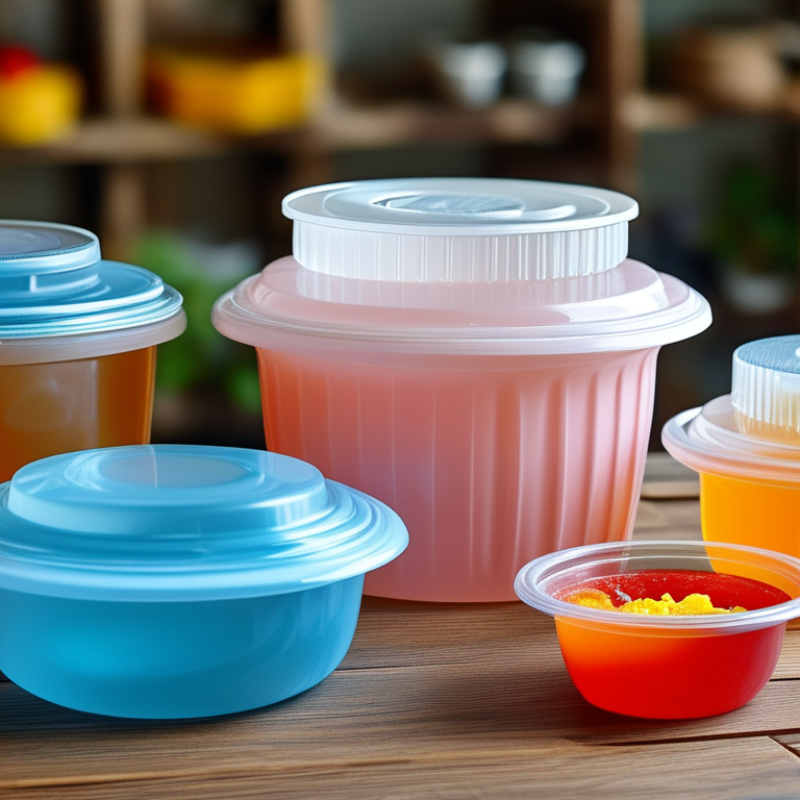
Overview of Thermoforming Packaging Materials
Thermoforming packaging is gaining popularity due to its versatility and efficiency. This method uses heat to mold plastic into specific shapes. The materials chosen for thermoforming significantly impact the overall performance and sustainability of the packaging. Common materials include polystyrene (PS), polyethylene terephthalate (PET), and polyvinyl chloride (PVC). Each of these has unique properties that make them suitable for various applications.
Polystyrene is known for its clarity and rigidity. It is widely utilized in food packaging and disposable containers. While it's effective, its environmental impact raises concerns. PET, on the other hand, is favored for its strength and recyclability. Many consumers prefer PET due to its reduced carbon footprint. However, it sometimes lacks the cost-effectiveness required for certain products.
PVC offers excellent barrier properties, making it a choice for medical packaging. But its production process can be toxic. This brings attention to the need for better practices in material sourcing. Balancing functionality and sustainability remains a challenge for many manufacturers. Choosing the right material is crucial, and ongoing innovation is essential as industries move toward more eco-friendly solutions.
Common Thermoplastics Used in Thermoforming Processes
Thermoforming is a widely used process in the packaging industry, primarily using thermoplastics. These materials stand out due to their versatility and strength. Polyvinyl chloride (PVC) is one popular choice, known for its durability and clarity. It is often used for medical packaging due to its ability to create airtight seals.
Another common thermoplastic is polystyrene. This lightweight material is frequently utilized for food packaging. Its excellent moldability makes it ideal for creating intricate designs. Polyethylene is also significant in the thermoforming world. It is resistant to moisture and chemicals, making it a reliable option for various applications.
While these materials offer many advantages, there are challenges to consider. Not all thermoplastics are suitable for every product. Recycling concerns arise with certain types, prompting a push for more sustainable solutions. Manufacturers should continue to explore innovative alternatives to improve the environmental impact of thermoforming packaging. This reflection is crucial as the industry evolves.
Properties and Advantages of Various Thermoforming Materials
When it comes to thermoforming packaging, the materials used significantly impact performance and sustainability. Common materials include polystyrene (PS), polyvinyl chloride (PVC), and polyethylene terephthalate (PET). Each has distinct properties that influence their application. For instance, PS is lightweight and cost-effective, making it popular in disposable packaging, while PET is known for its high clarity and strength, offering better barrier properties against moisture.
Data from industry reports suggests that PET represents about 40% of the thermoformed packaging market due to its recyclability and durability. Eco-conscious brands often favor materials that reduce environmental footprints. PVC, while less popular for food packaging due to concerns about its leaching potential, remains prevalent in non-food applications for its rigidity and ease of processing.
The choice of material can also influence production efficiency. Some materials, like biodegradable films, present challenges in process stability and consistency. This can lead to increased production costs and potential waste. The pursuit of sustainable solutions necessitates a careful balancing act between performance and environmental impact. Moving forward, the industry must continually reassess material choices to ensure they meet both consumer needs and regulatory standards.
Sustainability Considerations in Thermoforming Materials Selection
Sustainability has taken center stage in material selection for thermoforming packaging. Many packaging professionals seek eco-friendly options. It’s essential to evaluate the environmental impact of different materials. The move towards biodegradable polymers is gaining traction. These materials break down naturally, minimizing landfill contributions.
Recycling remains a key concern as well. Certain thermoformed plastics, like PET and PS, can be recycled effectively. However, not all facilities accept them, causing confusion. This knowledge gap creates a challenge for manufacturers and consumers. They need guidance on sustainable practices and recyclable options. Awareness about the recyclability of materials can drive better choices.
Cost often factors into material selection. While sustainable materials may seem expensive, their long-term benefits can outweigh initial costs. Companies must weigh the immediate financial burden against environmental responsibilities. Investing in green materials may improve brand image and appeal to eco-conscious consumers. Reflecting on these aspects is crucial for making informed decisions in the packaging industry.
Emerging Trends in Thermoforming Packaging Materials
Emerging trends in thermoforming packaging materials are reshaping the industry. Sustainable materials are gaining traction, responding to consumer demand for eco-friendly solutions. Biodegradable plastics, like PLA, are being incorporated more frequently. These materials break down naturally, reducing long-term environmental impact.
Recyclable materials are also trending. Companies are increasingly adopting post-consumer recycled (PCR) content. This reduces reliance on virgin materials and promotes a circular economy. Laminates made from multiple layers are evolving, combining durability with sustainability. However, these innovations come with challenges. Balancing performance and environmental friendliness requires careful consideration.
Another noteworthy trend is the ongoing research in smart packaging. Integrating sensors into thermoformed materials can enhance product safety and provide real-time data. This technology is still in its infancy and poses uncertainties in material compatibility and cost. There is a need for further innovation and reflection on these advanced materials, assessing their long-term viability in the market.
What Materials Are Commonly Used in Thermoforming Packaging? - Emerging Trends in Thermoforming Packaging Materials
| Material |
Properties |
Applications |
Emerging Trends |
| ABS (Acrylonitrile Butadiene Styrene) |
High impact resistance, good toughness |
Consumer products, electronic housings |
Increasing use in sustainable packaging alternatives |
| PET (Polyethylene Terephthalate) |
Excellent clarity, good moisture barrier |
Food packaging, medical applications |
Recyclability and rPET usage on the rise |
| PVC (Polyvinyl Chloride) |
Good chemical resistance, durable |
Containers, blister packs |
Shift towards bio-based compounds |
| HIPS (High Impact Polystyrene) |
Cost-effective, easily processed |
Packaging for food and consumer goods |
Focus on reducing packaging waste |
| PLA (Polylactic Acid) |
Biodegradable, derived from renewable resources |
Eco-friendly packaging solutions |
Growth in bioplastics adoption |
Conclusion
The article "What Materials Are Commonly Used in Thermoforming Packaging?" provides a comprehensive overview of the materials utilized in the thermoforming process. It delves into common thermoplastics such as polystyrene, polyvinyl chloride, and polypropylene, which are frequently employed for their unique properties and advantages. These materials are chosen based on their durability, flexibility, and ease of shaping, making them ideal for various packaging applications.
Additionally, the article addresses sustainability considerations in the selection of thermoforming materials, highlighting the growing importance of eco-friendly options. Emerging trends in the industry are also explored, indicating a shift towards innovative materials that balance performance with environmental impact. Overall, this article serves as a valuable resource for understanding what materials are commonly used in thermoforming packaging and the evolving landscape of packaging solutions.

 Switara Packing