In the competitive world of packaging, enhancing clarity and quality is paramount. Thermoformed packaging plays a crucial role in product presentation and protection. Businesses often overlook the details that lead to subpar results. The clarity of thermoformed products not only affects visibility but also influences customer perceptions. When we discuss how to improve clarity and finish of thermoformed packaging, we must consider various factors, including material selection and manufacturing processes.
Understanding these elements requires a blend of technical expertise and real-world experience. Many manufacturers struggle with achieving consistent quality, resulting in variations that can compromise overall effectiveness. Often, the finish may not meet expectations, leading to dissatisfaction among consumers. It is essential to reflect on these shortcomings and identify specific areas for improvement. Investing in better resources and training can make a significant difference.
By focusing on clarity and finish, companies can elevate the standard of their products. Quality packaging fosters trust and enhances brand reputation. In an age where the first impression counts, neglecting these aspects can be detrimental. Thus, a thorough approach towards refining thermoformed packaging is not just beneficial; it is necessary for success.
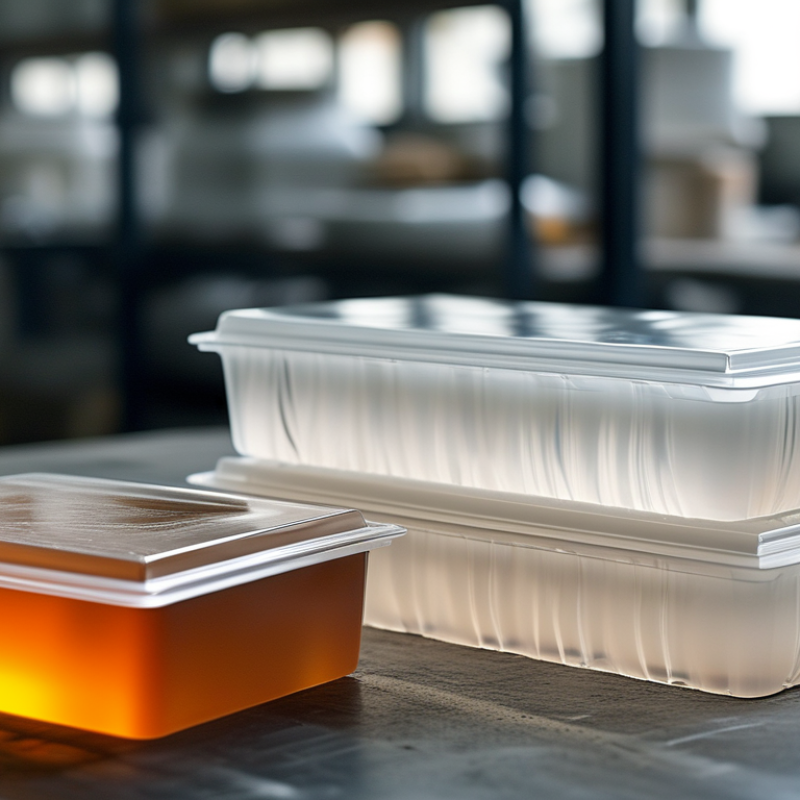
Thermoforming is a vital process in packaging design. It involves heating plastic sheets to form them into specific shapes. The heating phase significantly impacts the final product's clarity and quality. Proper temperature control ensures optimal material flow and minimizes defects.
Material selection is another crucial factor in thermoforming. Industry reports state that the use of high-quality polyvinyl chloride (PVC) can improve clarity by up to 50%. Polyethylene terephthalate (PET) is also popular, offering excellent durability. These materials enhance visibility, making products more appealing to consumers. However, improper handling can lead to warping or unclear surfaces.
Quality control measures during the thermoforming process are essential. Regular inspection can identify potential issues early. Studies show that nearly 20% of defects occur during setup and production phases. Implementing a robust quality assurance system can help mitigate mistakes. Thermoformed products must meet standards to guarantee safety and performance. Companies should focus on continuous improvements in practices. This approach often unveils areas needing refinement and helps maintain competitive advantages.
Thermoformed packaging is vital in various industries, notably food and pharmaceuticals. The clarity of this packaging plays a crucial role in consumer perception. Selecting the right materials can greatly enhance visual appeal while maintaining product integrity.
Polyethylene terephthalate (PET) and polystyrene (PS) are popular choices for thermoforming. Both materials offer good clarity and gas barrier properties. However, they also come with challenges. PET, for instance, can be more prone to scratches. This can reduce clarity over time. PS, on the other hand, may lack the durability required in certain applications. Each material has its strengths and weaknesses.
Exploring newer materials can lead to better solutions. Some companies are experimenting with biodegradable polymers, which also offer decent clarity. This trend supports sustainability while appealing to environmentally conscious consumers. Testing these materials helps find the best balance between clarity and strength. In the quest for enhanced clarity, continuous research and feedback are essential to drive innovation in thermoformed packaging.
Thermoforming offers flexibility in packaging design. However, achieving high surface quality involves mastering various techniques. A smooth surface enhances both aesthetic appeal and functionality. This can significantly impact the consumer’s perception of a product. One technique is to optimize the temperature profile during the thermoforming process. Ensuring even heat distribution helps prevent warping and maintains clarity.
Another critical technique is using the right material. Certain plastics facilitate better surface finishes compared to others. For instance, PETG may provide superior clarity and shine over standard PVC. In addition, refining your mold design can also play a crucial role. A polished surface on the mold often translates to better finish on the final product.
Tips: Regularly inspect your molds for wear and tear. A damaged mold can lead to imperfections. Additionally, consider incorporating a secondary finishing process. Simple polishing or coating can dramatically enhance surface quality. Experimenting with different materials or additives can also yield better results. Testing remains essential. Each adjustment should be carefully evaluated for its impact on clarity and quality.
| Technique | Description | Expected Outcome | Implementation Cost |
|---|---|---|---|
| Material Selection | Choosing high-quality polymers with better clarity and surface properties. | Improved clarity and surface gloss. | $$ |
| Surface Treatment | Applying coatings or treatments to enhance surface smoothness. | Reduced surface defects and increased gloss. | $$$ |
| Optimization of Forming Conditions | Adjusting temperature, pressure, and cooling rates during the thermoforming process. | Better dimensional accuracy and surface finish. | $$ |
| Use of Additives | Incorporating clarifying agents or UV stabilizers in the polymer mix. | Enhanced clarity and UV resistance. | $ |
| Quality Control Measures | Implementing stringent inspection protocols and testing. | Consistent product quality and reduced defects. | $$$ |
Thermoformed packaging is essential in various industries, yet maintaining its quality remains a challenge. According to a recent industry report, improper quality control can lead to a waste rate of up to 30%. This statistic highlights the urgent need for effective quality control measures to enhance clarity and quality. Implementing standardized inspection protocols helps in identifying defects early in the production process.
Regular training of staff on quality standards is vital. A skilled workforce can detect minor inconsistencies that automated systems might miss. Additionally, utilizing advanced technologies like real-time monitoring can dramatically improve overall packaging integrity. Companies are increasingly adopting these technologies, resulting in an impressive 20% reduction in defects.
Tips: Always document inspection results meticulously. Patterns of defects may indicate deeper issues in the manufacturing process. Regular audits can expose potential weaknesses before they escalate. Transparency in quality control not only improves production but also builds trust with customers.
Another important aspect is the use of recycled materials in thermoformed packaging. A study showed that incorporating recycled content increased product quality in 75% of cases, yet adherence to standards often falters. Ensuring compatibility with existing processes is crucial. Constant reevaluation of materials and methods can lead to more sustainable practices in thermoforming.
Thermoformed packaging plays a crucial role in various industries, ensuring products remain visible and protected. Innovative technologies enhance clarity and durability, meeting consumers' increasing expectations. For example, using specific additives can improve the transparency of materials. This results in better product visibility, which can attract customers on crowded shelves.
Another approach is through advanced polymer blending. This method allows for the combination of materials that offer strong barriers and clear appearances. Experimenting with these blends can lead to more resilient packaging. However, finding the right balance between clarity and strength may require extensive testing and refinement. Some formulations might not achieve the desired results on the first try.
The use of nanotechnology is also gaining traction. Nano-coatings can enhance surface clarity while providing protection. These technologies bring reliability but may raise questions about safety and environmental impact. Continuous research is necessary to ensure these innovative methods align with sustainability goals. Embracing such technologies can lead to exciting developments in the packaging industry.
: Thermoforming is a process where heated plastic sheets are shaped into specific forms.
Proper temperature control ensures optimal material flow and reduces defects, improving final product quality.
High-quality PVC and PET are popular choices. They enhance clarity and durability in products.
Techniques include optimizing the temperature profile and refining mold design for better finishes.
Quality control identifies defects early, preventing waste and ensuring product safety and performance.
Regular staff training and advanced technologies can enhance detection and minimize errors.
Regular inspections help catch potential issues, which can prevent larger problems later on.
Damaged molds can lead to imperfections in the final product, affecting overall quality.
Using recycled content often improves quality, but maintaining compatibility with processes is crucial.
Constant reevaluation of methods and materials is key to maintaining competitive advantages and sustainability.
The article "How to Enhance Clarity and Quality of Thermoformed Packaging?" provides a comprehensive overview of the principles and processes involved in thermoforming. It emphasizes the importance of material selection for achieving high clarity in thermoformed packaging, suggesting that choosing the right materials can significantly affect the end product's transparency and appeal.
Additionally, the article discusses various techniques to improve the surface quality of thermoformed products, highlighting the role of quality control measures in maintaining consistency and excellence. Innovative technologies are also explored, providing insights on how to improve clarity and finish of thermoformed packaging, ultimately leading to enhanced durability and consumer satisfaction. This resource serves as a valuable guide for manufacturers aiming to elevate their packaging standards.

Switara Packing