What Factors Influence Thermoforming Packaging Quality?

Time:2026-05-16 Author:Isabella
0%

Thermoforming is a critical process in modern packaging. It creates versatile and effective containers for many products. However, achieving high-quality thermoforming packaging is not straightforward. Many variables come into play, raising the question: what factors affect thermoforming packaging quality?

Various factors influence the outcome of thermoforming. Material selection plays a significant role in determining the final product's strength and flexibility. Temperature control during the process is crucial, as improper heating can lead to weak spots in the packaging. Additionally, molding design impacts the packaging's ability to protect its contents effectively.

Moreover, the operational environment cannot be ignored. Humidity and contamination can seriously impair quality. These complexities suggest that even small factors can lead to subpar results. Thus, a thorough understanding of what factors affect thermoforming packaging quality is essential for achieving reliable and effective packaging solutions. Ultimately, careful consideration and testing are necessary to refine the thermoforming process.
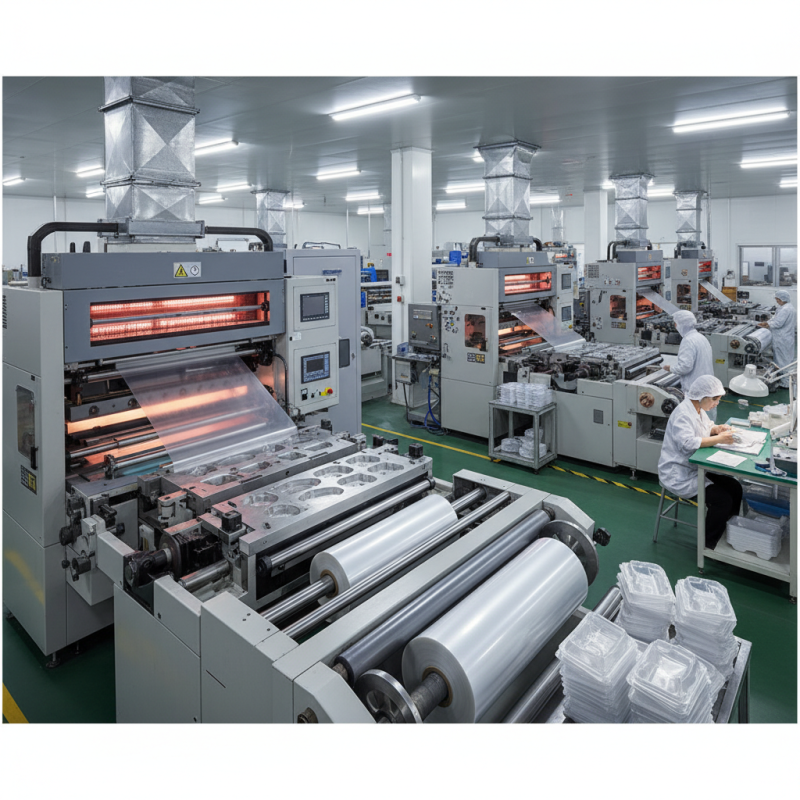
What Factors Influence Thermoforming Packaging Quality?

Factors Impacting Material Selection in Thermoforming Packaging

In thermoforming packaging, material selection is crucial for ensuring quality. Various factors influence this choice, including mechanical properties, thermal stability, and cost. According to a report by Smithers Pira, the global thermoforming market is projected to reach $60 billion by 2026. This growth reflects the rising demand for sustainable and high-performance materials.

The mechanical properties of materials dictate the strength and flexibility of the packaging. For instance, PET (Polyethylene Terephthalate) is commonly chosen for its excellent impact resistance and clarity. It scores well in sustainability audits too. Yet, it can also be brittle if not processed correctly. Understanding the balance between strength and flexibility is essential.

Tip: Always experiment with different blends of materials to achieve the desired mechanical performance.

Thermal stability is another factor that impacts material selection. A material that can withstand high temperatures is vital during the forming process. A study from the Packaging Machinery Manufacturers Institute found that improper choices can lead to defects like warping or shrinking. Additionally, considering the cost is paramount. Material sourcing impacts the overall budget. However, opting for cheaper options can lead to compromises in quality.

Tip: Regularly review supplier options to ensure the best balance of cost and quality.

Temperature Control and Its Effect on Packaging Integrity

Temperature control is a critical factor in thermoforming packaging quality. Proper heating ensures the material becomes pliable, allowing it to be shaped accurately. If the temperature is too high, the material can degrade. Conversely, if it’s too low, the molding process may fail, leading to weak packaging. Users often overlook the importance of precise temperature measurement tools, which can result in variations that impact product integrity.

Inconsistent temperature can cause stress points in the material. These stress points may lead to fractures or leaks down the line. For instance, areas that are overheated might shrink unevenly after cooling. Observing thermal profiles can help manufacturers identify problem areas early. Such awareness is essential for achieving a balance between efficiency and durability in packaging design.

Maintaining uniform temperature across the entire surface area is challenging. Many users believe simply setting the machine to a specified temperature will suffice. This misconception can lead to significant quality control issues. Continuous training and precise monitoring are necessary for optimal results. Ultimately, understanding the thermal dynamics at play can significantly enhance the overall quality of thermoformed packaging.

What Factors Influence Thermoforming Packaging Quality? - Temperature Control and Its Effect on Packaging Integrity

Factor Description Impact on Quality Optimal Range
Heating Temperature The temperature at which the material is heated prior to forming. Excessive temperatures can cause material degradation, while too low can result in poor forming. 180°C - 220°C
Cooling Rate The speed at which the formed packaging cools post-formation. Fast cooling can lead to stresses in the material, affecting strength and clarity. Gradual cooling preferred
Material Thickness The thickness of the sheet material used for thermoforming. Thicker materials can be more robust but may require higher temperatures. 0.5 mm - 3 mm
Forming Pressure The pressure applied during the forming process. Insufficient pressure can lead to incomplete formation; too much can cause tearing. 5 - 10 bar
Material Type Different materials exhibit varying properties affecting thermoforming. Some materials require specific temperature profiles for optimal results. Polypropylene, PET, PVC

Influence of Production Speed on Thermoforming Quality

Thermoforming quality is significantly influenced by production speed. When manufacturing packaging, a faster speed can seem appealing. However, it may lead to various quality issues. For instance, higher speeds can result in inconsistent thickness and poor sealing. These challenges can compromise the effectiveness of the packaging.

To maintain quality, careful calibration is vital. Adjusting the machine parameters plays a crucial role in balancing speed and precision. Operators should focus on monitoring temperatures closely. If the material does not reach the required temperature, it could become brittle or less pliable.

Tip: Regularly conduct material tests to ensure the optimal temperature range.

Speed reduction is sometimes necessary. Slower production allows for better quality control. It enables more time to inspect each piece, ensuring defects are caught early. Quality assurance checks at various stages can provide invaluable feedback, allowing for process adjustments.

Tip: Implement a system for real-time monitoring of production quality. This way, issues can be identified promptly and resolved.

Importance of Tooling and Molds in Thermoforming Results

Tooling and molds play a critical role in thermoforming packaging quality. The precision of a mold directly influences the final product's dimensions and features. A well-designed mold ensures uniform thickness and minimizes defects. However, even minor inconsistencies can lead to significant production challenges.

Mold materials must be carefully selected. Steel and aluminum are common choices, each with pros and cons. Steel molds offer durability but can be expensive. Aluminum molds are lighter and cheaper, yet they wear out faster. This trade-off can affect long-term production costs and product quality.

The cooling and heating phases during thermoforming also matter. Uneven distribution can lead to warped or poorly formed packaging. Constant monitoring of these processes is essential for maintaining quality. Reflecting on mold design and materials can improve efficiency.

Manufacturers must regularly evaluate their tooling strategies to adapt to changing demands.

Post-Processing Techniques That Enhance Thermoformed Packaging Quality

Post-processing techniques play a crucial role in enhancing the quality of thermoformed packaging. These methods can significantly improve the mechanical properties and aesthetic appeal of the final product. For instance, employing techniques like surface treatment and additional lamination can strengthen the barrier properties of packaging materials. Reports indicate that processed thermoformed parts show a remarkable increase in tensile strength, often exceeding 20% when compared to unprocessed counterparts.

Tips: Consider incorporating a surface treatment after thermoforming to enhance durability. A simple corona discharge treatment can improve surface energy and adhesion, making the film easier to print and seal.

Moreover, post-processing can also address common issues like warping and dimensional inaccuracies. Techniques such as annealing can relieve internal stresses in the material. This method not only corrects shapes but also improves the overall clarity and finish of the packaging. Data reflects that properly annealed parts exhibit a reduction in shrinkage rates, potentially saving costs in production.

Tips: Monitor temperature and duration during annealing closely. Overheating can lead to undesirable distortions. It’s vital to test different settings to find the optimal balance.

Factors Influencing Thermoforming Packaging Quality

This chart illustrates the various factors that influence the quality of thermoformed packaging. The data reflects the percentage impact each factor has on overall quality, showing that material quality and temperature control are the most significant contributors.

FAQS

: What factors influence material selection in thermoforming packaging?

: Key factors include mechanical properties, thermal stability, and cost considerations.

Why is mechanical property important in packaging materials?

It affects the strength and flexibility, ensuring durability.

How does thermal stability impact material choice?

Materials must withstand high temperatures during the forming process to avoid defects.

What happens if temperature control is inadequate during packaging?

Improper temperature can lead to defects like warping or weak packaging.

Why is consistent temperature important in the thermoforming process?

Inconsistent temperature causes stress points, which may lead to fractures or leaks.

How does production speed affect thermoforming quality?

Higher speeds can result in inconsistent thickness and poor sealing, compromising quality.

What should be done to ensure quality at high production speeds?

Careful calibration and monitoring of machine parameters are essential for quality assurance.

How can speed reduction improve packaging quality?

Slower speeds allow for better inspections, catching defects early in the process.

What is a good practice for monitoring production quality?

Implement a real-time monitoring system to identify and resolve issues promptly.

What is a common misconception about machine temperature settings?

Many believe simply setting one temperature is enough, which can lead to quality issues.

Conclusion

The quality of thermoforming packaging is influenced by several key factors. Firstly, the selection of materials is critical, as different materials offer varying levels of durability and compatibility with the intended application. Temperature control during the thermoforming process also plays a significant role; improper temperature can lead to defects that compromise packaging integrity. Additionally, production speed impacts the overall quality, as faster operations may sacrifice precision and consistency.

Tooling and molds are equally important, as they directly shape the final product and their design can affect the efficiency and accuracy of the process. Lastly, post-processing techniques can significantly enhance the quality of thermoformed packaging by addressing any imperfections and improving the overall performance of the final product. Understanding what factors affect thermoforming packaging quality is essential for achieving optimal results in any production environment.

Isabella

Isabella

Isabella is a dedicated marketing professional with a sharp focus on driving brand growth and engagement through strategic content creation. With an extensive background in digital marketing, she combines her passion for storytelling with her keen understanding of industry trends to deliver......