Choosing the right packaging solutions for perishables is crucial in today’s market. Research shows that up to 30% of food products spoil during transit. This immense loss underlines the need for effective packaging strategies. What packaging solutions are best for perishable goods? This question is critical for manufacturers, retailers, and consumers alike.
Advanced packaging technologies have emerged to address these challenges. For instance, temperature-controlled solutions can extend shelf life significantly. According to a report by the Food and Agriculture Organization, efficient packaging can reduce spoilage by up to 50%. However, the industry still faces obstacles. Many businesses struggle with packaging costs versus effectiveness.
Understanding the environmental impact of packaging is also essential. Eco-friendly options are gaining traction, yet they may not always protect perishables as effectively. Balancing sustainability with functionality is an ongoing challenge for industry leaders. As we dive deeper into the best packaging solutions, considering these aspects will be vital for future advancements.
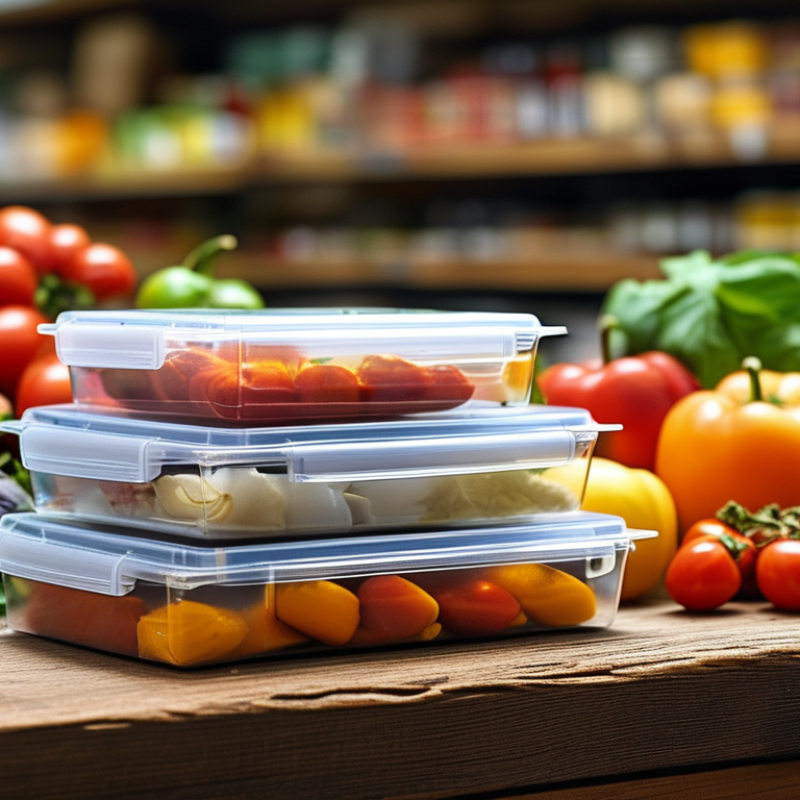
Identifying the Unique Challenges of Perishable Packaging
When it comes to packaging solutions for perishables, the unique challenges presented are numerous. Perishables like
fruits,
vegetables, and
dairy products
demand a balance between protection and breathability. The packaging must maintain
freshness while preventing spoilage.
Temperature control is critical; without it, products can quickly degrade. Proper
insulation materials help maintain the required chill. Yet,
many businesses overlook how fragile these items are during transport.
Moisture control also plays a significant role. Excess moisture can cause mold growth and spoilage. Use of
absorbent materials is essential but can lead to
additional costs. It’s a constant struggle to find the right weight and thickness. If the packaging is too thick,
it can impinge on freshness. If it’s too thin, it can offer inadequate protection. Reflecting on this balance reveals the
nuanced decision-making that goes into packaging.
Sustainability brings another layer of complexity. While eco-friendly materials are in high demand, they must not
compromise product safety. Manufacturers often face
trade-offs between sustainability and effectiveness. Testing new materials can be time-consuming and expensive.
The pressure to lessen environmental impact grows daily. Yet, acknowledging these challenges helps companies
develop better strategies. Embracing flexibility and
innovation is crucial for overcoming potential pitfalls
in perishables packaging.
Evaluating Different Types of Packaging Materials for Perishables
Choosing the right packaging for perishable goods is crucial. It affects
freshness,
shelf life, and
safety. Different types of materials each have their strengths. For instance,
flexible films are lightweight and offer good barrier properties.
They can prolong freshness by reducing oxygen exposure. However, they may not provide sufficient
protection against physical damage.
Rigid packaging, such as clear containers, allows for visibility. This can help consumers make informed choices.
Research shows that 65% of consumers prefer packaging that minimizes waste.
Yet, rigid materials can be bulkier, increasing shipping costs. Evaluating the best option involves balancing these factors while considering sustainability.
Tip: Assess the product's needs. Delicate items may require cushioned or insulated packaging. High-performance films might be best for moisture-sensitive goods.
Don't overlook the environmental impact. Many materials can be recycled or composted, making sustainable choices more accessible.
Failure to prioritize this can hurt brand reputation and consumer trust.
Understanding Temperature Control and Its Role in Packaging
Temperature control is crucial in packaging solutions for perishables. Proper temperature management extends shelf life and preserves quality. For instance, cold chain logistics are designed specifically for products like fresh produce or dairy items. The right materials must isolate temperature fluctuations effectively.
Understanding how materials work in different environments is vital. Insulating materials should retain cold or heat effectively. For example, vacuum-sealed packages minimize air exposure, while gel packs can provide a crucial cooling effect. Thermochromic indicators can even signal temperature changes, offering a visual cue.
It's essential to recognize that no packaging is perfect. Some materials may not fully prevent spoilage, leading to potential waste. Continuous testing and refinement of packaging solutions are necessary. Innovation is ongoing in this field, with advancements striving for eco-friendliness while maintaining functionality. Balancing these factors takes expertise and dedication.
Assessing Sustainability in Perishable Packaging Solutions
When selecting packaging for perishables, sustainability must take the spotlight. Traditional materials often harm the environment, so it’s important to explore greener alternatives. Biodegradable options are gaining traction. These materials decompose naturally, reducing landfill waste. However, their effectiveness in preserving product quality can vary. It's essential to test how these materials perform under various conditions.
Moreover, consider the entire lifecycle. Sourcing local materials can cut down on transportation emissions significantly. Yet, local options may not offer the durability needed for longer shelf life. The challenge is to strike a balance between sustainability and functionality. Too often, businesses focus only on cost, disregarding environmental impact.
It's advisable to analyze the carbon footprint of your packaging solutions. Life cycle assessments can reveal surprising insights. For example, certain recyclable plastics may have a lower overall impact than some biodegradable alternatives. This complexity suggests that a one-size-fits-all solution does not exist. Businesses should continuously reflect on their choices, adapting as new materials and technologies emerge.
Assessing Sustainability in Perishable Packaging Solutions
Selecting Packaging Based on Distribution and Shelf Life Requirements
When selecting packaging for perishables, understanding the needs of distribution and shelf life is crucial. Various factors play a role in this decision. For instance, temperature control is often essential. Packaging that maintains an optimal temperature can significantly extend product freshness. It's important to look at insulation materials that can protect items from temperature fluctuations.
Different products have unique shelf life requirements. Some perishables, like fruits, require breathable packaging. This helps prevent moisture buildup, which can lead to spoilage. Meanwhile, items like dairy may need airtight seals to prolong freshness. Testing different packaging types can reveal which options best protect against spoilage during transit.
Reflecting on past packaging choices can yield valuable insights. Some materials may have promised longevity but failed in practical applications. Additionally, environmental impact should not be overlooked. While biodegradable options may be attractive, their effectiveness for perishables needs careful consideration. Balancing sustainability and functionality requires ongoing evaluation.
FAQS
: Packaging affects freshness, shelf life, and safety of perishable items.
Flexible films are lightweight and reduce oxygen exposure, helping to prolong freshness.
Rigid packaging offers visibility, helping consumers make informed choices about products.
Consider the entire lifecycle, sourcing local materials, and the carbon footprint of your packaging.
Biodegradable options can reduce landfill waste, but their effectiveness in preserving quality varies.
Proper temperature control can extend product freshness and is crucial during distribution.
Reflecting on past decisions can help identify material effectiveness and improve future choices.
While eco-friendly, some biodegradable materials may not provide the necessary durability for shelf life.
Neglecting sustainability can harm a brand’s reputation and erode consumer trust over time.
Not necessarily; a life cycle assessment may reveal surprising insights about their environmental impact.
Conclusion
When considering what packaging solutions are best for perishable goods, it is essential to identify the unique challenges associated with such items. Perishable goods often face risks related to spoilage, contamination, and temperature fluctuations, making it critical to select appropriate packaging materials designed to extend shelf life and maintain freshness. Evaluating various packaging options, including flexible films, rigid containers, and insulating materials, enables businesses to tailor their solutions to specific products.
Temperature control plays a pivotal role in packaging for perishables, ensuring that temperature-sensitive items remain within optimal ranges throughout the supply chain. Additionally, sustainability has become increasingly important, prompting a focus on eco-friendly materials and practices in perishable packaging solutions. Ultimately, successful packaging selection should take into account distribution logistics, the expected shelf life of the products, and market demands, ensuring that all aspects align to safeguard quality and profitability.

 Switara Packing