Why Reducing Waste in Thermoforming Processes Matters?

Time:2026-05-09 Author:Madeline
0%

The efficiency of thermoforming processes greatly affects the environment and manufacturing costs. Many manufacturers seek ways to optimize production and minimize waste. Understanding how to reduce waste in thermoforming processes is crucial for sustainable operations.

Waste in thermoforming can manifest in various forms, such as excess material and defective parts. This not only increases costs but also contributes to environmental pollution. Effective strategies involve precise material cutting and efficient setup designs. Manufacturers must analyze their current practices to identify wasteful steps.

Investing in quality machinery and training staff can also make a difference. However, there is still much to learn about achieving optimal results. Regularly evaluating processes is essential for continuous improvement. The journey toward reducing waste requires commitment and openness to new ideas.
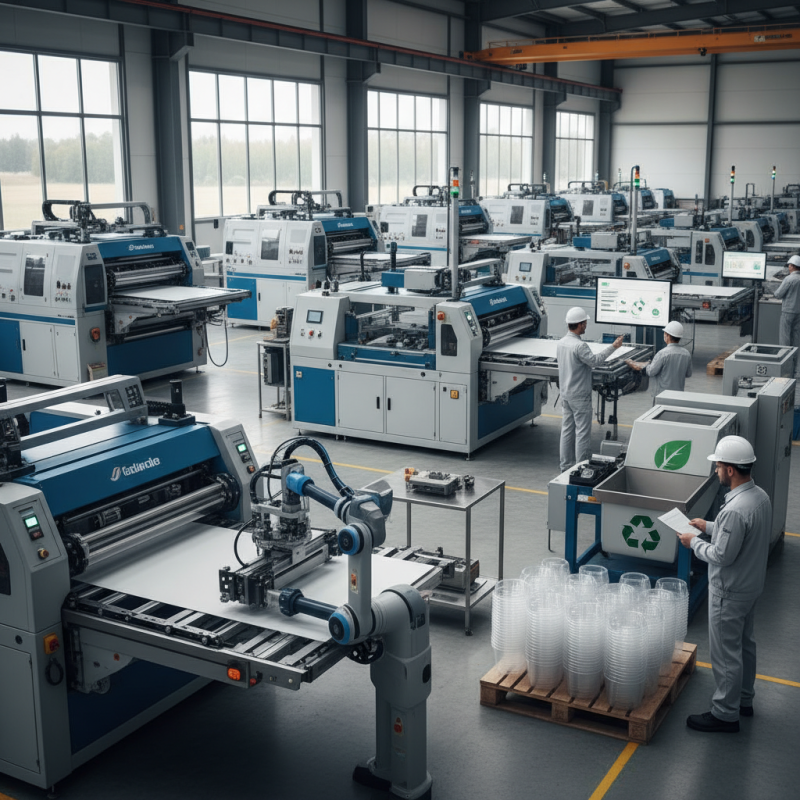
Why Reducing Waste in Thermoforming Processes Matters?

Importance of Waste Reduction in Thermoforming Processes

Reducing waste in thermoforming processes is crucial for both the environment and the economy. It begins with understanding how much material is lost during production. In many cases, the scrap generated can account for 15-20% of raw materials used. This not only increases costs but also contributes to environmental degradation.

Employing more efficient design techniques can minimize waste. For instance, using software simulations can optimize layouts, reducing excess material. Another strategy is to recycle scrap material back into production. However, not all facilities have the technology to do this effectively. The challenge lies in balancing cost-efficiency with waste reduction efforts.

Despite advancements, many manufacturers still struggle to implement these changes. They may lack the training or resources to adopt innovative practices. This highlights a gap in the industry that requires attention. It's essential to reflect on current operations and seek improvements. Sustainable practices in thermoforming help pave the way for a greener future. Reducing waste is not just beneficial; it is becoming necessary in today’s market.

Environmental Impact of Waste Generated in Thermoforming

Thermoforming processes are essential in various industries, but they come at a cost to the environment. The waste generated during these processes can significantly impact ecosystems. Plastic sheets, trimmings, and defective parts often end up in landfills. This not only fills up space but can lead to pollution in surrounding areas.

Reducing waste in thermoforming is crucial for achieving sustainable manufacturing. Recycling materials should be a priority, as this can lower energy consumption. However, many companies still struggle with implementing effective recycling systems. Educating staff on waste reduction techniques is vital. Even small changes can lead to noticeable improvements.

Waste management should not just be about compliance but about creating a culture of responsibility. Companies can start by measuring waste outputs regularly. Understanding the scale of the problem is the first step toward making changes. Some might argue that the costs of waste reduction are high, but the long-term benefits for the environment are invaluable. Every effort counts in the fight against climate change.

Economic Benefits of Minimizing Waste in Manufacturing

In thermoforming processes, minimizing waste is vital for economic sustainability. When manufacturers cut down on material waste, they can significantly reduce costs. The reduction in scrap materials means improved margins and better resource allocation. Each sheet of plastic used efficiently translates to less money spent on raw materials.

Effective waste management also enhances a company's reputation. Clients appreciate businesses that prioritize sustainability. This positive image can lead to increased customer loyalty. However, not every manufacturer recognizes these benefits. Some continue to overlook the need for waste reduction. This oversight can result in higher operating costs and reduced competitiveness in the marketplace.

Investing in technology and training can improve efficiency. For example, better ovens and molds can lead to less waste. Employees trained in waste reduction techniques become more aware of material usage. Yet, companies might hesitate to embrace these changes due to initial costs. The challenge lies in balancing short-term expenses with long-term gains. Ignoring waste management can cost more in the end.

Techniques for Reducing Waste in Thermoforming Operations

Reducing waste in thermoforming operations is crucial. Inefficiencies can lead to significant material loss. By adopting innovative techniques, businesses can not only cut costs but also enhance sustainability.

One effective method is optimizing material usage. Analyzing patterns in production helps minimize off-cuts. Implementing precise cutting techniques can further reduce waste. Reusing scrap materials is also beneficial. In many cases, waste can be repurposed, turning losses into opportunities.

Employee training plays a vital role too. Skilled workers are more aware of waste sources. Regular workshops can improve awareness and change attitudes. However, it’s essential to recognize that not every approach will yield immediate results. Experimenting with different methods is key to finding what truly works.

Case Studies: Successful Waste Reduction in Thermoforming Industries

In the thermoforming industry, waste reduction is crucial for sustainability. Case studies show real-world examples of successful waste management. For instance, a leading company implemented a closed-loop system. This change led to a 30% reduction in scrap material. The practice not only cut costs but also minimized the environmental footprint.

One key strategy involves optimizing material usage. Research indicates that proper planning can increase material efficiency by up to 20%. Companies should regularly analyze their production processes. This approach often uncovers hidden inefficiencies. Small adjustments can result in significant waste savings.

Tip: Always track your waste metrics. Understanding where waste occurs can guide improvement efforts.

Another case highlights a firm that introduced reusable molds. This innovation reduced the production cycle time. It decreased waste generation by 15%. Such practices highlight the importance of innovation in waste reduction.

Tip: Encourage team discussions on waste reduction. Engaging employees can spark new ideas for improvements.

Why Reducing Waste in Thermoforming Processes Matters? - Case Studies: Successful Waste Reduction in Thermoforming Industries

Case Study Initial Waste (%) Reduced Waste (%) Savings Achieved ($) Techniques Used
Case Study A 30% 15% $50,000 Process Optimization, Material Innovation
Case Study B 25% 10% $30,000 Training, Machine Upgrades
Case Study C 28% 12% $40,000 Lean Manufacturing, Feedback Loops
Case Study D 35% 18% $60,000 Automation, Material Recycling

FAQS

: Why is waste reduction important in thermoforming processes?

: It helps the environment and reduces costs. Waste can account for 15-20% of raw materials used.

How can companies minimize waste during production?

Companies can use software simulations to optimize layouts. Efficient design techniques are crucial for waste reduction.

What role does recycling play in waste management?

Recycling scrap material back into production reduces waste. However, not all facilities have the necessary technology.

Why do some manufacturers struggle with waste reduction?

Many lack training or resources for innovative practices. There is a significant gap in industry capabilities.

How can employee training aid in waste reduction?

Skilled workers understand waste sources better. Regular workshops can enhance awareness and encourage change in attitudes.

Can small changes lead to significant waste savings?

Yes, small adjustments in production processes can uncover hidden inefficiencies and lead to meaningful savings.

How can tracking waste metrics help a business?

It helps identify where waste occurs. Understanding metrics can guide effective improvement efforts.

What impact do reusable molds have on waste generation?

They can reduce production cycle time and decrease waste generation significantly. Innovation is key to waste reduction.

Is it necessary to experiment with waste reduction methods?

Absolutely. Not every approach yields immediate results. Experimentation is necessary to find the best solutions.

What should teams do to encourage innovation in waste management?

Engage in team discussions regarding waste reduction. This can spark new ideas for improvement.

Conclusion

Reducing waste in thermoforming processes is crucial for both environmental sustainability and economic efficiency. The waste generated during these manufacturing processes not only contributes to pollution but also incurs additional costs for companies. By implementing effective waste reduction techniques, manufacturers can minimize their environmental footprint while simultaneously enhancing profitability.

Understanding how to reduce waste in thermoforming processes involves adopting strategies such as optimizing material usage, improving process efficiency, and implementing recycling practices. Additionally, case studies from various industries demonstrate that successful waste reduction initiatives can lead to significant cost savings and resource conservation. Ultimately, prioritizing waste reduction in thermoforming not only benefits the planet but also supports the bottom line of businesses.

Madeline

Madeline

Madeline is a dedicated marketing professional with a wealth of expertise in our company's core offerings. With a keen understanding of the industry, she brings a unique perspective to her role, consistently delivering high-quality content that highlights the superior aspects of our products. As......