How to Select Materials for Heat Based Forming Processes?

Time:2026-05-13 Author:Charlotte
0%

Selecting the right materials for heat-based forming processes is crucial for achieving optimal results. Engineers and designers often face challenges when making their choices. This decision impacts product durability, performance, and overall quality. Therefore, understanding how to select materials for heat-based forming processes becomes essential.

Material properties such as thermal conductivity, heat resistance, and mechanical strength play a significant role in the selection process. It’s vital to consider these attributes carefully. However, the task is not always straightforward. Variations in material behavior under heat can lead to unexpected results. Testing and experimentation can unveil insights that theoretical data may overlook.

In practice, selecting materials often requires balancing multiple factors. Cost, availability, and environmental impact also come into play. Companies must reflect on their specific requirements and limitations. Thus, the process of how to select materials for heat-based forming processes invites both experience and critical thinking. It's an ongoing learning journey, where decision-making may evolve based on new technologies and applications.
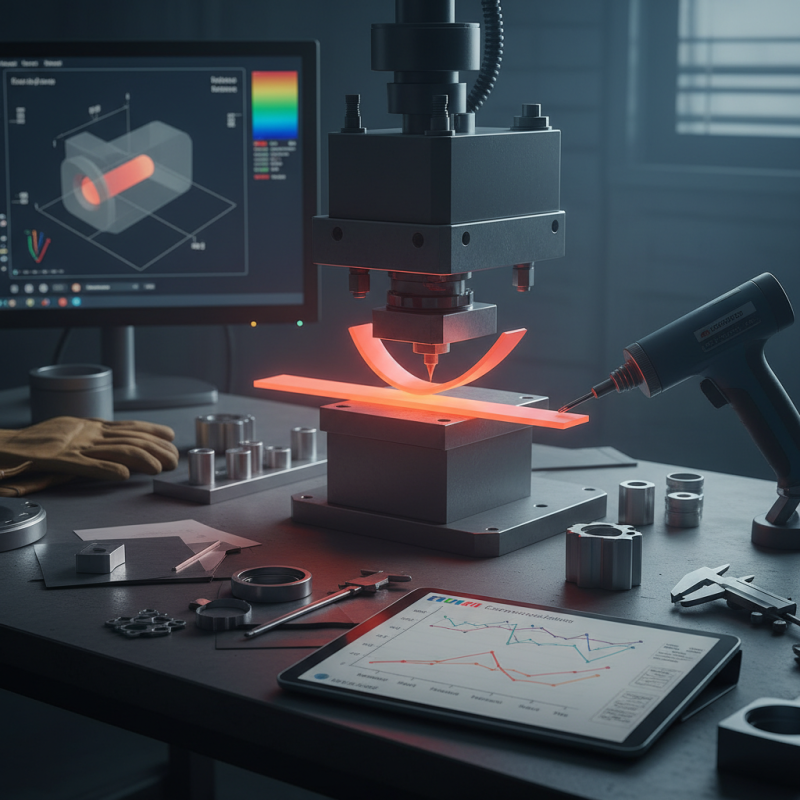
How to Select Materials for Heat Based Forming Processes?

Factors Influencing Material Selection for Heat Based Forming Processes

Selecting materials for heat-based forming processes involves careful consideration of multiple factors. Temperature resistance is crucial. Materials must withstand high temperatures without degrading. This ensures durability and functionality in finished products.

Mechanical properties also play a vital role. The material's strength, ductility, and toughness impact the forming process. For example, a material that lacks ductility may crack during bending. Additionally, thermal conductivity influences how evenly heat is distributed. Uneven heating can lead to defects in the final product.

Cost is another factor that cannot be overlooked. Sometimes, an ideal material may be too expensive for practical applications. Alternatives may appear suitable on paper but fall short in real-world tests. Regular evaluations of material performance are essential. Understanding the trade-offs is key. Decisions should reflect both short-term needs and long-term goals for production efficiency.

Thermal Properties: Understanding Conductivity and Thermal Expansion Coefficients

Selecting the right materials for heat-based forming processes involves understanding thermal properties, especially conductivity and thermal expansion coefficients. Conductivity measures how well a material can transfer heat. Metals typically have high thermal conductivity, while plastics and ceramics usually display lower values. For instance, copper has a thermal conductivity of about 400 W/m·K, which is excellent for applications needing rapid heat transfer. In contrast, materials like polycarbonate can have conductivities as low as 0.2 W/m·K.

Thermal expansion coefficients describe how materials expand when heated. Metals and ceramics have relatively low coefficients, which are crucial in applications where dimensional stability is vital. For example, aluminum has a thermal expansion coefficient of approximately 23 x 10^-6 /°C, making it suitable for precision applications. However, materials like rubber have much higher coefficients, potentially leading to warping or stress when subjected to heat. Understanding these properties aids in the choice of materials, though miscalculations can result in unexpected failures in production processes. It showcases the need for careful material analysis and selection. The interplay between conductivity and thermal expansion is intricate, demanding continuous reflection and adjustment in design strategies.

Mechanical Properties: Yield Strength and Ductility in High-Temperature Environments

Selecting the right materials for heat-based forming processes is critical, especially concerning mechanical properties. Yield strength and ductility are two vital factors to consider in high-temperature environments. According to a report by the Materials Research Society, materials like titanium alloys and certain stainless steels exhibit enhanced yield strength when subjected to elevated temperatures. This property is essential when working with materials that will endure significant mechanical stress during processes like forging or extrusion.

Ductility also plays a crucial role. Materials that can deform without fracture enhance the forming process's reliability. Research indicates that some aluminum alloys retain higher ductility at temperatures above 400°C. This characteristic helps in producing complex shapes without cracking. However, designing processes with these materials often uncovers challenges, like the need for thorough temperature control to avoid excessive softening.

In practical terms, operators should aim for a balance between yield strength and ductility. A material's performance can vary unpredictably under different thermal conditions. For example, certain alloys may perform well in one forming operation but fail in another due to localized heating. Additionally, ongoing monitoring and testing are vital to adapt processes to material behavior, highlighting that not all selections are straightforward. Material selection is not just a one-time decision; it requires reflection and adjustment based on real-world feedback.

Compatibility of Materials with Forming Techniques and Equipment

Selecting materials for heat-based forming processes requires careful consideration of compatibility with forming techniques and equipment. Different materials respond uniquely to heat, which influences their properties during shaping. For instance, metals like aluminum and copper have excellent thermal conductivity. This makes them ideal for processes like forging and extrusion. However, polymers may soften or degrade under high temperatures. This inconsistency requires a thorough understanding of material behavior.

When choosing materials, evaluate their melting points and thermal expansion rates. This understanding shapes successful results. Poor choices can lead to warping or cracking, affecting product quality. Factors such as viscosity and flow capacity also play roles in the material's suitability for a specific technique. For instance, higher viscosity materials may require more intense heat to flow effectively. However, excessive heat can cause damage, creating a balance that must be carefully managed.

Equipment compatibility is equally essential. Each forming technique has specific requirements regarding material properties. Factors like tooling design and heating methods can also affect the selection process. It's crucial to ensure that the chosen material aligns well with the intended equipment to avoid operational issues. Inadequate compatibility can lead to inefficient production and increased costs. Making the right choice demands experience and an understanding of both materials and processes.

Economic Considerations: Cost, Availability, and Lifecycle of Heat Forming Materials

Selecting materials for heat-based forming processes involves crucial economic considerations. Cost is a primary factor influencing material choice. Data indicates that manufacturing costs can account for 40% of total product expenses. In the automotive industry, for example, steel can be less expensive compared to lighter alternatives like aluminum. However, if weight reduction is crucial, investing in an aluminum alloy may lead to long-term savings through fuel efficiency.

Availability is another key point. Materials should be easy to source. According to industry reports, materials with local and global availability can reduce lead times significantly. This can enhance production schedules and meet customer demands promptly. On the flip side, niche materials may entail risks. They're often less available, leading to potential project delays.

Lifecycle considerations matter too. The environmental impact of materials should not be overlooked. Materials that are recyclable or have lower carbon footprints are increasingly favored. An estimated 30% of companies are shifting to sustainable materials to align with consumer preferences.

Tips:

  • Choose materials that fit both budget and functionality.
  • Ensure that suppliers can meet availability needs to prevent disruptions.
  • Lastly, think about the long-term impact of your material choices on both costs and the environment.

FAQS

: What factors are crucial for selecting materials in heat-based forming processes?

: Temperature resistance, mechanical properties, thermal conductivity, cost, availability, and lifecycle considerations are vital.

Why is temperature resistance important?

Materials must withstand high temperatures to ensure durability and functionality in the final product.

How do mechanical properties affect the forming process?

Strength, ductility, and toughness impact how materials behave. Lack of ductility may cause cracking during bending.

What role does thermal conductivity play in material selection?

It influences how evenly heat is distributed, preventing defects in the final product.

Why should cost be considered when choosing materials?

Sometimes ideal materials are too expensive. Alternatives may seem suitable but can fail in real-world applications.

What is the significance of thermal expansion coefficients?

They describe how materials expand when heated, affecting dimensional stability in precision applications.

How does availability impact material selection?

Easily sourced materials reduce lead times, enhancing production schedules. Niche materials may cause delays.

What are lifecycle considerations in material selection?

Environmental impacts are crucial. Recyclable materials or those with lower carbon footprints are increasingly favored.

How can companies enhance production efficiency with material choices?

Regular performance evaluations help understand trade-offs between short-term needs and long-term goals.

What should companies reflect on regarding their material choices?

Think critically about the balance between cost, functionality, and the environmental impact of selected materials.

Conclusion

Selecting the right materials for heat-based forming processes is crucial for ensuring optimal performance and product quality. Key factors influencing material selection include thermal properties, such as conductivity and thermal expansion coefficients, which determine how materials respond to heat. Additionally, mechanical properties like yield strength and ductility become vital in high-temperature environments, as these characteristics dictate how well a material can be shaped and formed under heat.

Furthermore, compatibility with specific forming techniques and equipment is essential to avoid operational issues. Economic considerations, including the cost, availability, and lifecycle of the materials, also play a significant role in making informed decisions. Therefore, understanding these factors will guide manufacturers on how to select materials for heat-based forming processes effectively, ensuring both efficiency and cost-effectiveness in production.

Charlotte

Charlotte

Charlotte is a seasoned marketing professional with a deep understanding of the company's portfolio and a passion for elevating its presence in the market. With a keen eye for detail and a commitment to excellence, she ensures that our professional blog is regularly updated with insightful articles......