Thermoforming has become a cornerstone in the food packaging industry. This method shapes plastic into various forms, making it suitable for an array of food products. Food safety is paramount, and thermoforming offers several advantages, such as preserving freshness and extending shelf life. Many companies are increasingly asking, "why is thermoforming widely used in food packaging?"
One reason is durability. Thermoformed packaging can withstand various temperatures and physical conditions. It keeps food safe from contamination while maintaining appearance. Another critical aspect is efficiency. The process requires less material and energy compared to traditional methods. This not only reduces costs but also minimizes waste, aligning with sustainable practices.
However, some argue that thermoforming is not perfect. There are limitations, such as the types of materials that can be used. Additionally, the initial setup cost may deter smaller companies from adopting this technology. Understanding these nuances is essential for businesses considering thermoforming. It highlights the need for ongoing evaluation of its benefits as the market evolves.
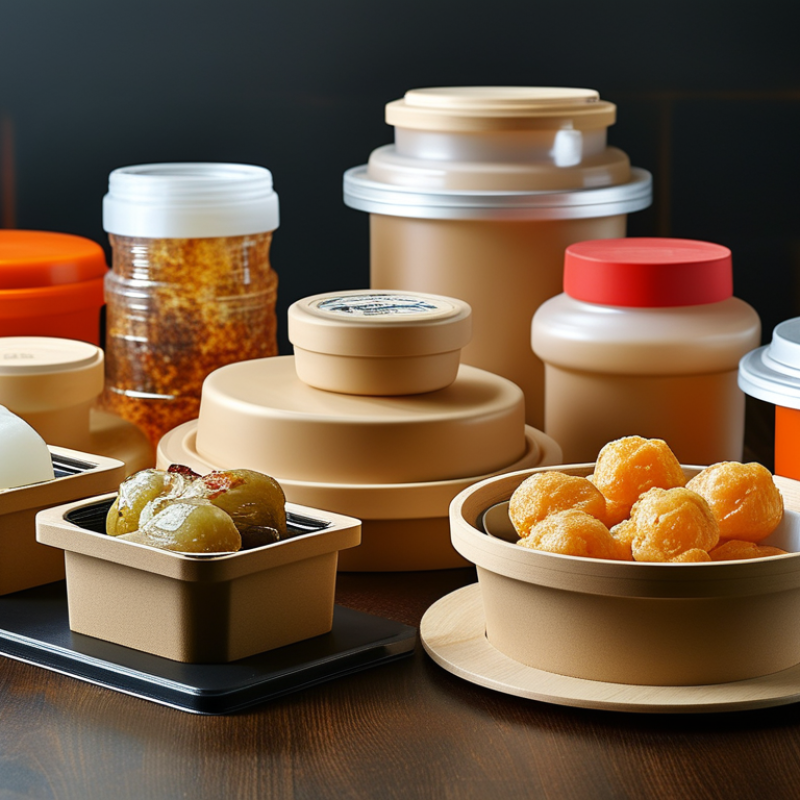
Thermoforming is a crucial method in the food packaging industry. It involves heating plastic sheets until pliable, then shaping them to fit specific forms. This process offers several benefits that enhance food safety and extend shelf life. Research shows that thermoformed packaging can reduce food spoilage by up to 25%. This statistic underscores its importance in maintaining quality.
One significant advantage of thermoforming is its versatility. It can create trays, containers, and lids tailored to diverse food products. This customization ensures optimal protection and freshness. Additionally, thermoforming equipment is often energy-efficient. Reports indicate that improved efficiency in manufacturing can lower production costs by 15%, making it a financially sound choice.
Tip: Regularly assess the materials used in thermoforming to ensure they meet safety regulations and sustainability goals. Sustainable materials can attract environmentally-conscious consumers and enhance brand reputation.
Improving the design of thermoformed packaging can also reduce waste. Packaging that fits food precisely minimizes excess material. Nonetheless, some manufacturers still undervalue the role of innovative designs. Investing in this area can yield better product protection and aesthetic appeal. Exploring these options can redefine product presentation in a competitive market.
Thermoforming plays a vital role in food packaging, particularly in enhancing product freshness. This technique involves heating plastic sheets until they become pliable. They are then formed into specific shapes, which fit the food items perfectly. Research by the Packaging Association indicates that more than 60% of fresh produce benefits from this type of packaging, as it effectively limits exposure to air and bacteria.
One notable advantage of thermoforming is its ability to create a strong barrier. According to a recent market analysis, 75% of consumers prefer packaging that keeps food fresh for longer. The tight seals created through thermoforming not only extend shelf life but also maintain flavor and nutritional value. This is especially important for perishable goods, where any exposure to oxygen can lead to spoilage.
However, it’s crucial to address the sustainability aspect of thermoformed packaging. While it offers significant benefits, the environmental impact cannot be overlooked. Many plastics used in thermoforming are not biodegradable. The industry is gradually shifting towards eco-friendly materials, but challenges remain. A balanced approach is needed to ensure both freshness and sustainability can coexist effectively.
Thermoforming has emerged as a strong contender in food packaging. Its cost-efficiency often surpasses traditional methods. This technique involves heating plastic sheets until they are pliable. Then, they are formed into desired shapes, which minimizes waste. Reduced material costs can lead to cheaper final products. Many companies are exploring this method to cut down on packaging expenses.
However, the shift to thermoforming isn't without challenges. Companies must consider the initial investment in specialized machinery. The packaging material must also meet safety standards. If overlooked, these factors can lead to higher unforeseen costs. While some might argue that traditional methods have established reliability, thermoforming’s adaptability in design can enhance product appeal significantly.
Despite the growing popularity of thermoforming, questions remain. Will the quality of packaging match consumer expectations? Can thermoforming maintain barrier properties as effectively as traditional methods? These concerns highlight the importance of careful implementation. Companies should conduct thorough research before making a transition. It is crucial to weigh both the potential cost savings and the long-term impacts on product integrity.
The rise of biodegradable materials in thermoforming speaks to an evolving food packaging landscape. Recent studies show a growing demand for sustainable packaging solutions. In 2022, the global biodegradable plastics market was valued at approximately $6.5 billion, expected to reach $22 billion by 2028. This growth reveals consumer preference for eco-friendly options. Thermoformed packaging, often made from recycled materials, reduces overall waste and promotes circular economy practices.
Industry trends highlight the shift towards innovation in material selection. Companies are investing in research to develop plant-based polymers. These materials not only meet regulatory requirements but also enhance the brand’s image. However, the challenge lies in maintaining performance standards. Some biodegradable options may have limitations in durability and shelf life. Striking a balance between sustainability and functionality remains essential.
Despite advancements, the transition to biodegradable thermoforming isn't without its complexities. Education about these materials is crucial. Many consumers still lack awareness of biodegradable options in food packaging. The industry must work on outreach and transparency. Collaboration between manufacturers and consumers can enhance acceptance. Ultimately, understanding these trends can foster a more sustainable future for food packaging.
Thermoforming technology has revolutionized food packaging, ensuring food safety and maintaining quality. This process involves heating plastic sheets, forming them into shapes, and cooling them, creating durable and protective packages. According to industry reports, thermoformed packages can enhance shelf life by up to 50%. They also offer better barrier protection against moisture and gases, which is crucial for maintaining freshness.
Innovations in thermoforming have led to the development of bio-based materials. These materials can reduce environmental impact while still providing effective protection for food products. Studies show that packaging made from renewable resources can lower carbon footprints by at least 30%. This shift is significant for sustainability in food packaging.
Tips for choosing thermoformed packaging include considering the type of food being packaged. Some foods require specific barriers to maintain freshness. Understand the requirements for shelf life and freshness. Additionally, look for suppliers that emphasize innovation and sustainability in their products. Always be critical of material choices to ensure the best protection for food items.
: Thermoforming is a process that heats plastic sheets until they’re pliable, then shapes them into packaging forms.
It often reduces material costs, leading to cheaper final products. This method minimizes waste significantly.
Yes, companies must invest in specialized machinery. Overlooking this can lead to higher unforeseen costs down the line.
Quality can vary. Companies should research to ensure packaging meets consumer expectations and maintains product integrity.
They cater to the demand for sustainable packaging. However, durability and shelf life can be concerns with these materials.
Education and outreach are essential. Consumers need to understand the advantages of biodegradable options in food packaging.
It enhances food safety by creating durable packages that improve shelf life and protect against moisture and gases.
They must consider the type of food, required barriers for freshness, and look for suppliers with a focus on sustainability.
Yes, the balance between sustainability and functionality remains essential. Material performance must not be compromised while aiming for eco-friendliness.
The market is growing, but there are complexities involved. Continuous education and innovation are crucial for broader acceptance.
Thermoforming has emerged as a crucial process in the food packaging industry due to its numerous benefits. One of the primary advantages is the enhanced product freshness it provides, as thermoforming creates airtight seals that effectively preserve food items, extending their shelf life. Additionally, the cost-efficiency of thermoforming compared to traditional packaging methods allows manufacturers to optimize their production processes while maintaining quality.
Moreover, the sustainability aspect of thermoforming cannot be overlooked, as the industry trends towards utilizing biodegradable materials that minimize environmental impact. Innovations in thermoforming technology also play a significant role by improving food safety and quality, making it a preferred method. Thus, understanding why thermoforming is widely used in food packaging reveals its ability to combine efficiency, sustainability, and safety, driving its popularity in the sector.

Switara Packing