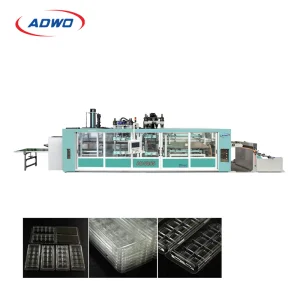
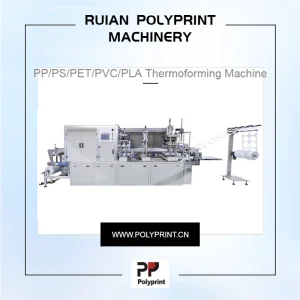
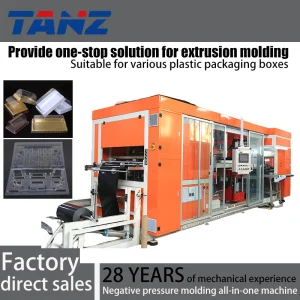
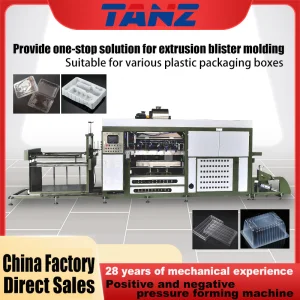
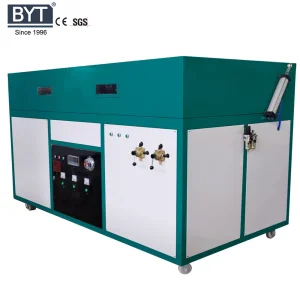
Explore our state-of-the-art range of engineered packaging, forming, and production assembly lines designed to maximize operational throughput.
Modern global logistics require strict conformity, highly precise manufacturing pipelines, and minimal operational downtime. Within the scope of automated filling and plastic forming, the demand for equipment complying with European Conformity (CE) guidelines is no longer a localized preference, but a strict global standard. Automated filling systems, combined with advanced multi-stage thermoforming technology, serve as the backbone of high-capacity food preservation, pharmaceutical packaging, and micro-electronic component protection.
"Achieving CE certification is a comprehensive verification of machinery safety, electromagnetic compatibility, and operational low-voltage configurations. For global manufacturers and exporters, this translates directly to minimized liability, accelerated Factory Acceptance Testing (FAT), and guaranteed workplace safety."
The mechanical architecture of modern filling and thermoforming equipment is undergoing a major paradigm shift toward digitized cyber-physical systems. The integration of EtherCAT fieldbus networks and multi-axis servo coordination systems allows high-precision positioning within margins of ±0.05mm. This level of calibration ensures consistent film thickness and filling accuracy, significantly reducing material waste.
Looking to the next decade, the roadmap focuses on two distinct trends: Closed-Loop AI Control and Self-Optimizing Diagnostics. Built-in infrared sensor arrays analyze real-time thermal profiles of thermoplastic sheets, modifying PLC heater outputs before defects can form. Additionally, cloud-based telemetry tracks servo load metrics and pneumatic response intervals to enable predictive maintenance cycles, scheduling service before mechanical wear impacts system performance.
Industrial machinery must handle a wide variety of materials. At Hangzhou Switara Packing Co., Ltd., design philosophy revolves around high versatility and material adaptability:
Tested and verified performance standards across global deployments.
Providing reliable and efficient packaging technologies and plastic forming automation solutions globally.
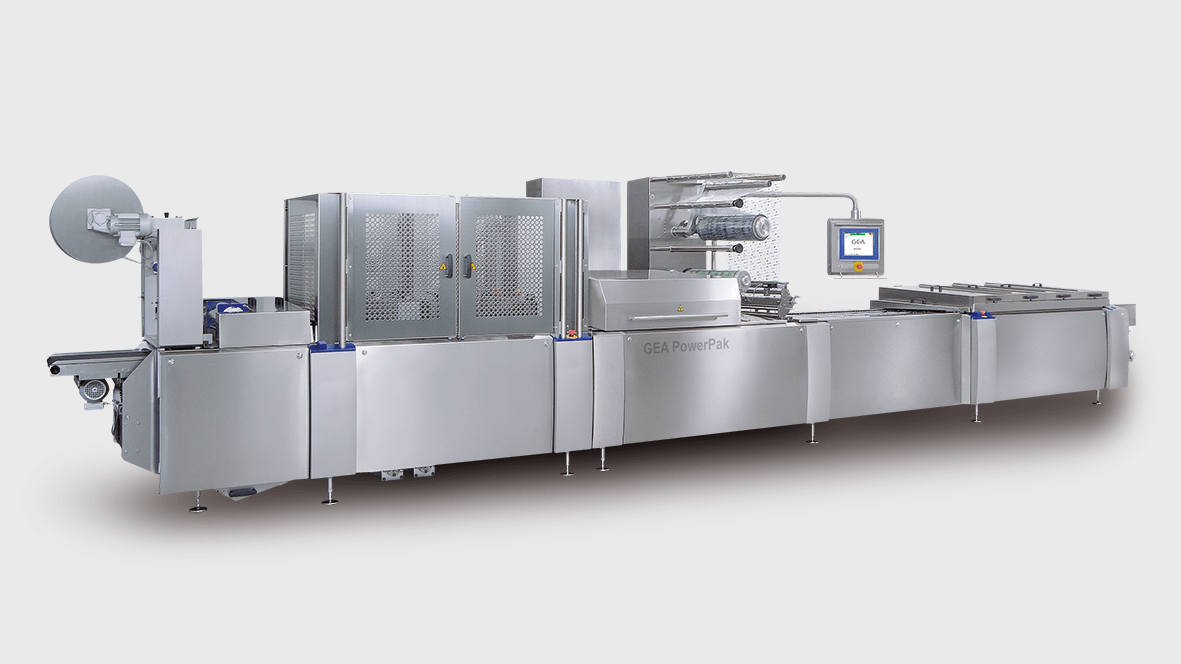
Hangzhou Switara Packing Co., Ltd. is a professional manufacturer specializing in thermoforming packaging machines and plastic forming automation solutions. Since its establishment, the company has focused on delivering advanced, reliable, and efficient packaging technologies for industries such as food, medical, electronics, and consumer goods. With a strong emphasis on innovation and engineering excellence, Switara has continuously evolved to meet the growing demands of global packaging markets.
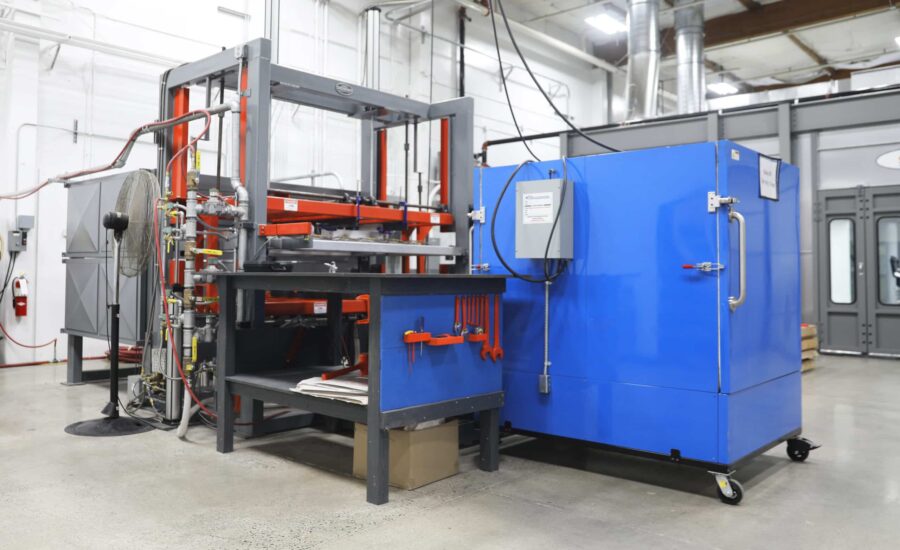
In its early years, the company started as a small workshop dedicated to basic plastic forming equipment. Through consistent investment in research and development, Switara gradually expanded its capabilities, introducing semi-automatic thermoforming machines and improving production precision. As market demand increased, the company transitioned into fully automated thermoforming packaging systems, integrating modern control technologies and intelligent operation features.
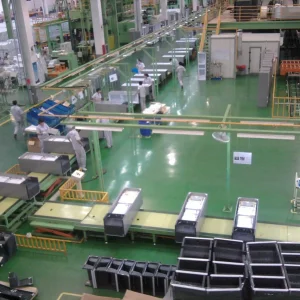
Over time, Hangzhou Switara Packing Co., Ltd. established a comprehensive production system supported by experienced engineers, advanced manufacturing facilities, and strict quality control processes. The company now offers customized solutions, including vacuum forming, pressure forming, and integrated packaging lines designed to enhance productivity and reduce operational costs.
Today, Switara continues to expand its global presence, committed to providing high-performance thermoforming packaging machinery and becoming a trusted partner for customers seeking efficient and scalable packaging automation solutions.
How our manufacturing cluster in China delivers cost efficiency, reliable quality, and comprehensive compliance.
Located in the Yangtze River Delta industrial region, our operations draw from an extensive network of specialized raw materials, custom tooling facilities, and advanced precision component suppliers. This concentration significantly reduces lead times for complex custom builds.
Our automated systems feature dual-channel safety relays, physical emergency interlocks, and shielded low-voltage circuits. These safeguards protect on-site operators while meeting the requirements of European Machinery Directive 2006/42/EC.
We provide comprehensive lifecycle support for our machinery through remote PLC debugging, rapid delivery of wear parts, and localized service networks. This support helps ensure consistent uptime for production operations worldwide.
Important parameters procurement directors should verify before purchasing automated packaging systems.
When selecting capital equipment, the initial purchase price represents only a fraction of lifetime operating costs. Purchasing managers should carefully analyze structural factors such as energy efficiency ratios, mechanical wear-part lifespans, and setup times for tooling changeovers. Our systems utilize highly efficient servo-pneumatic architectures, reducing energy draw by up to 30% compared to traditional all-pneumatic setups.
To prevent integration issues on the production floor, we conduct thorough Factory Acceptance Testing (FAT) using the buyer's specified plastics and target product containers. Post-delivery, we support Site Acceptance Testing (SAT) to ensure the machinery operates reliably within local power grid and environmental conditions.
Technical answers to key questions about automated filling systems, compliance, and custom manufacturing.
Select high-performance machinery engineered for medical packaging, custom lid production, and precise plastic forming.
 Switara Packing