With the European Union's Single-Use Plastics Directive and global ESG mandates, CE certification has become the "passport" for biodegradable packaging. Modern factories are now shifting from simple production to "Smart Green Manufacturing" to meet stringent EN 13432 standards.
The global biodegradable packaging market is projected to reach $118.8 billion by 2028. This growth is driven by a semantic shift in consumer intent: moving from "cheap plastic" to "circular economy value."
We are witnessing a transition from first-generation starch-based materials to advanced PLA (Polylactic Acid), PBAT, and PHA polymers that offer superior mechanical properties and shelf-life stability.
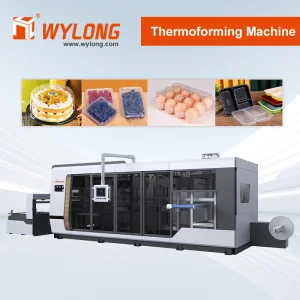
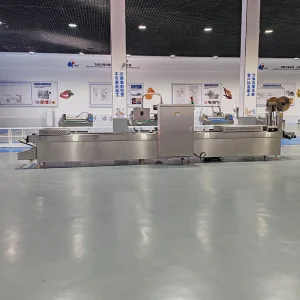
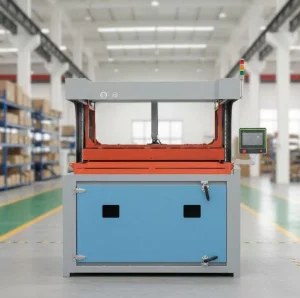
At the core of the biodegradable revolution is Thermoforming Technology. Unlike traditional injection molding, high-speed vacuum and pressure forming allow for thinner, stronger, and more complex geometries using eco-friendly resins.
Modern factories utilize biomass fermentation to create monomers. The purity of these monomers determines the tensile strength of the final packaging. CE-certified facilities maintain strict control over moisture content and molecular weight distribution.
Our technical route integrates RPET (Recycled Polyethylene Terephthalate) and bio-composites. Using multi-layer co-extrusion, we can create barriers that prevent oxygen and moisture from spoiling food, while ensuring the outer layers remain 100% compostable.
AI-driven temperature control systems ensure that bio-plastics—which often have a narrower processing window than traditional PE—are formed with zero defects. This precision reduces waste by up to 18% compared to manual legacy systems.
China has emerged as the global hub for biodegradable packaging not just because of volume, but because of Industrial Integration. In regions like Hangzhou, the entire value chain—from chemical precursors to high-precision CNC thermoforming machinery—is located within a 50km radius.
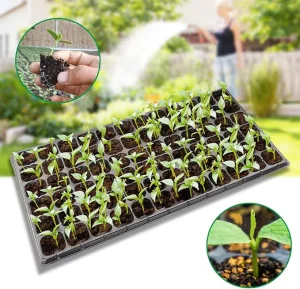
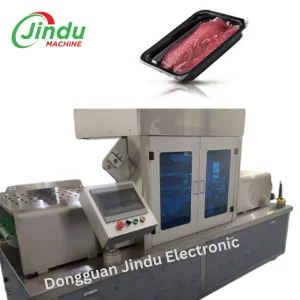
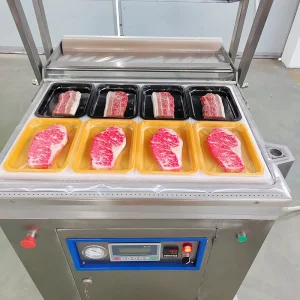
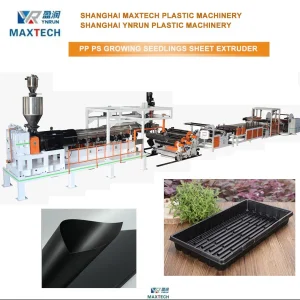
Biodegradable seedling trays and meat packaging provide "zero-residue" solutions for organic farms. Vacuum-sealed MAP (Modified Atmosphere Packaging) extends fresh produce life by 30%.
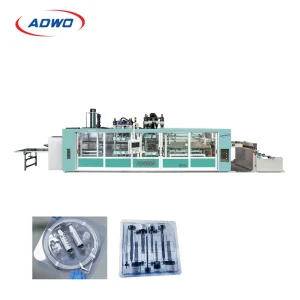
CE certified blister packs for medical supplies ensure hygiene while reducing the hospital's carbon footprint. These materials are designed for ETO sterilization compatibility.
Anti-static biodegradable trays replace EPS (Styrofoam), offering high impact resistance for high-value tech exports without the environmental guilt.
Hangzhou Switara Packing Co., Ltd. is a professional manufacturer specializing in thermoforming packaging machines and plastic forming automation solutions. Since its establishment, the company has focused on delivering advanced, reliable, and efficient packaging technologies for industries such as food, medical, electronics, and consumer goods. With a strong emphasis on innovation and engineering excellence, Switara has continuously evolved to meet the growing demands of global packaging markets.
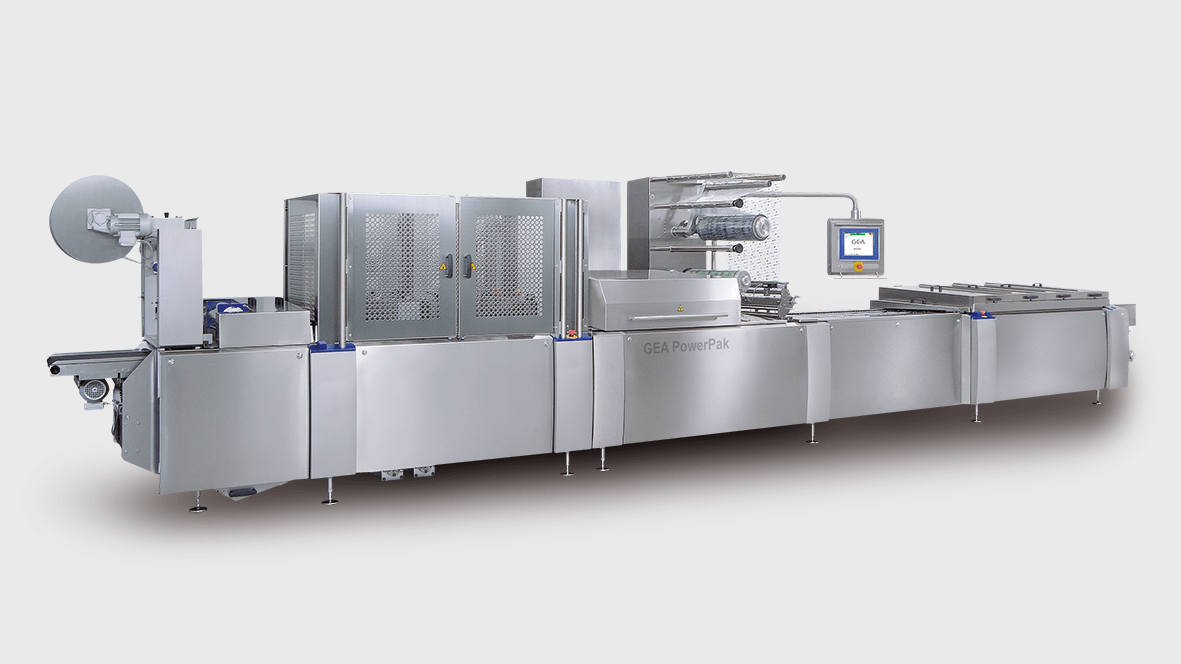
In its early years, the company started as a small workshop dedicated to basic plastic forming equipment. Through consistent investment in research and development, Switara gradually expanded its capabilities, introducing semi-automatic thermoforming machines and improving production precision. As market demand increased, the company transitioned into fully automated thermoforming packaging systems, integrating modern control technologies and intelligent operation features.
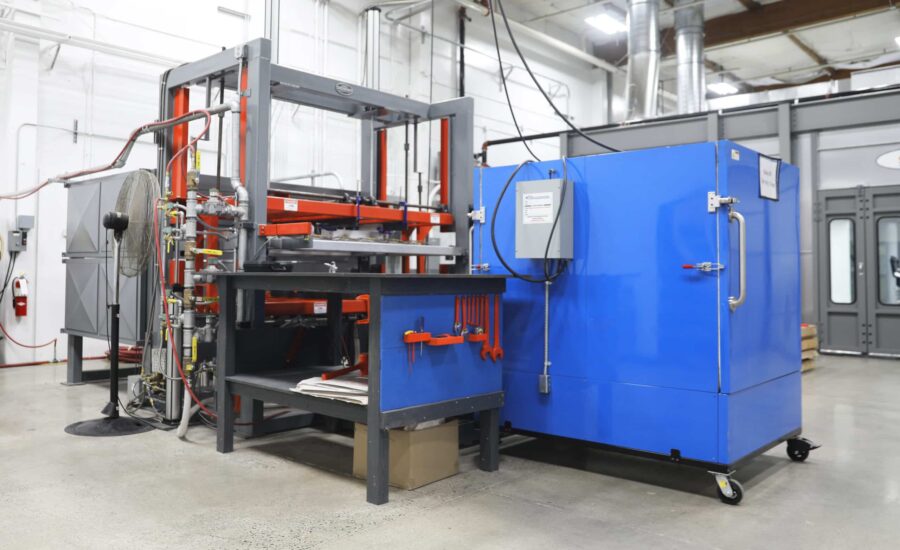
Over time, Hangzhou Switara Packing Co., Ltd. established a comprehensive production system supported by experienced engineers, advanced manufacturing facilities, and strict quality control processes. The company now offers customized solutions, including vacuum forming, pressure forming, and integrated packaging lines designed to enhance productivity and reduce operational costs. Today, Switara continues to expand its global presence, committed to providing high-performance thermoforming packaging machinery and becoming a trusted partner for customers seeking efficient and scalable packaging automation solutions.
CE Certification (Conformité Européenne) indicates that the product complies with the essential requirements of relevant European health, safety, and environmental protection legislation. For packaging, it often aligns with EN 13432 standards for industrial compostability.
Advanced polymers like PBAT/PLA blends require precise thermal management. Switara's machines use servo-driven controls to ensure consistent wall thickness and prevent material degradation during the heating cycle.
Yes, our multi-station thermoforming machines are designed for flexibility. With adjustable heating profiles and vacuum pressure settings, they can transition between PP, PET, and 100% biodegradable materials seamlessly.
Depending on complexity, standard automated lines take 6-8 weeks, while fully customized, integrated systems from our Hangzhou facility typically ship within 12-14 weeks including rigorous FAT (Factory Acceptance Testing).
 Switara Packing