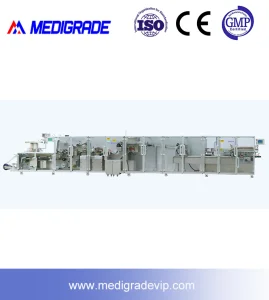
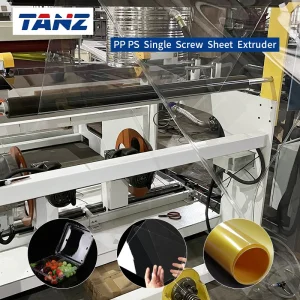
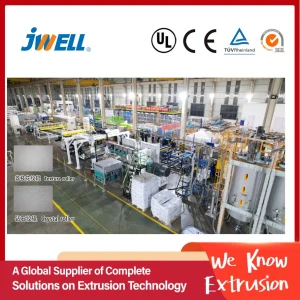
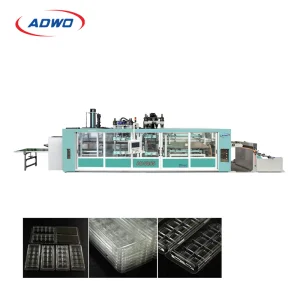
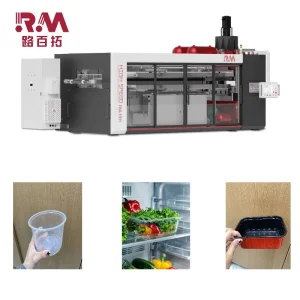
Explore Switara's premier range of automated manufacturing solutions, designed to minimize production overheads, maximize structural integrity, and implement closed-loop precision control.
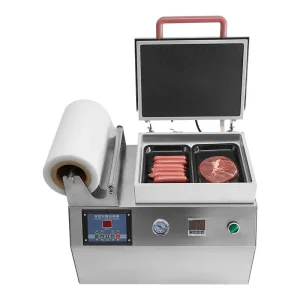
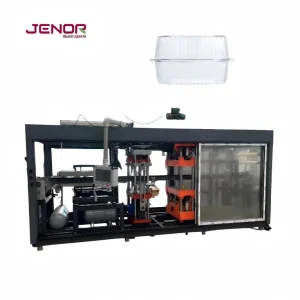
The modern manufacturing industry is shifting rapidly toward automated, low-scrap thermoforming lines. High structural integrity, precise temperature profiling, and the transition toward recyclable resins (PP, APET, CPET, and PLA) represent the focal point of the global packaging initiative. With regulatory frameworks tightening on single-use plastics and packaging waste, manufacturers must balance high throughput requirements with circular-economy targets.
Furthermore, standard vacuum forming is evolving to meet multi-layer barrier co-extrusion technology. Industrial setups now require machinery capable of processing high-barrier materials (such as EVOH co-extrusions) to ensure adequate shelf-life for medical supplies and biological food packaging. Our systems integrate advanced servomotor plug assists and dynamic hydraulic clamping units to handle complex viscoelastic polymer draw depths without thinning the material walls.
Without precise, micro-step pressure and heat calibration, thermoformed plastics suffer from structural faults such as:
By shifting to automated positive and negative pressure forming cycles, air trapping is eliminated, improving detailed features by over 40% on intricate geometries.
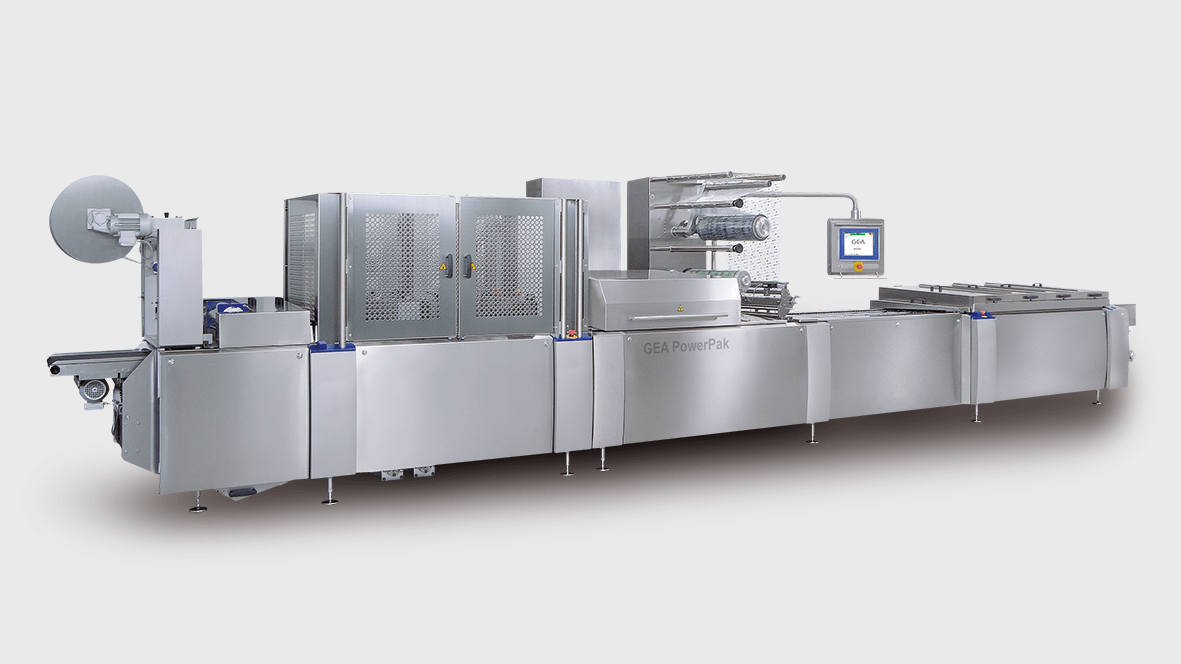
Hangzhou Switara Packing Co., Ltd. is a professional manufacturer specializing in thermoforming packaging machines and plastic forming automation solutions. Since its establishment, the company has focused on delivering advanced, reliable, and efficient packaging technologies for industries such as food, medical, electronics, and consumer goods. With a strong emphasis on innovation and engineering excellence, Switara has continuously evolved to meet the growing demands of global packaging markets.
In its early years, the company started as a small workshop dedicated to basic plastic forming equipment. Through consistent investment in research and development, Switara gradually expanded its capabilities, introducing semi-automatic thermoforming machines and improving production precision. As market demand increased, the company transitioned into fully automated thermoforming packaging systems, integrating modern control technologies and intelligent operation features.
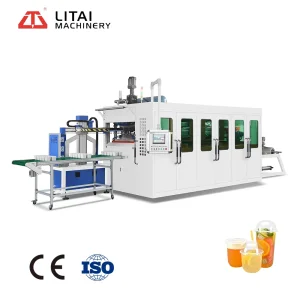
Over time, Hangzhou Switara Packing Co., Ltd. established a comprehensive production system supported by experienced engineers, advanced manufacturing facilities, and strict quality control processes. The company now offers customized solutions, including vacuum forming, pressure forming, and integrated packaging lines designed to enhance productivity and reduce operational costs.
Today, Switara continues to expand its global presence, committed to providing high-performance thermoforming packaging machinery and becoming a trusted partner for customers seeking efficient and scalable packaging automation solutions.
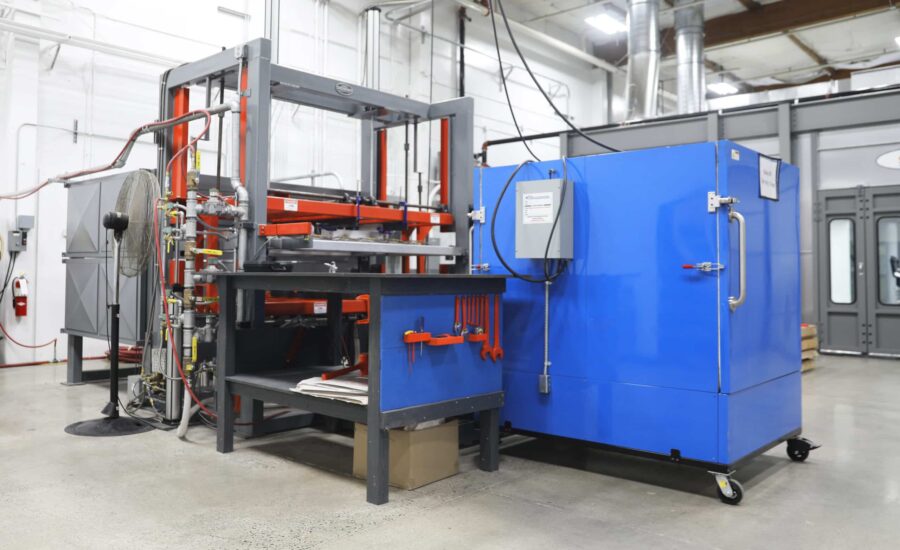
Achieve maximum application efficiency across distinct commercial sectors. Our tailored lines support a diverse spectrum of raw polymer configurations, high-tolerance tooling setups, and inline processing protocols.
Designed for food safety compliance (FDA approved raw processing). Integrates multi-layer EVOH and PP extrusion systems. Features high gas-barrier protection and optimized gas flushing packaging (MAP) technology to prevent organic degradation.
Cleanroom-compliant automatic blister lines for vials, ampoules, and surgical instruments. Constructed from medical-grade PETG and PS, maintaining sterile barrier configurations under ISO Class 7 and ISO Class 8 criteria.
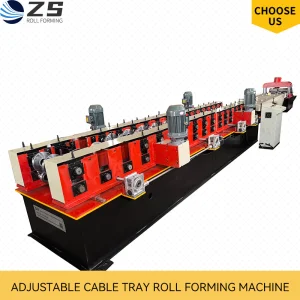
Engineered for high-rigidity structural plastics like ABS, PC, and HIPS. Ideal for automotive door panels, luggage suitcases, heavy cable trays, and structural industrial casings utilizing multi-axis CNC drilling and secondary cutting lines.
| Polymer Type | Common Industrial Application | Forming Temperature Range | Barrier Efficiency (Gas/Moisture) | Post-Forming Cutting Precision Required |
|---|---|---|---|---|
| PETG / APET | Medical blister seals, electronics trays | 120°C - 160°C | Moderate | Standard mechanical shear punch |
| PP (Polypropylene) | Microwavable containers, food packaging | 150°C - 180°C | High (with multi-layer co-extrusion) | Heated knife or high-speed mechanical punch |
| ABS / PC Blend | Suitcases, automotive dashboards | 180°C - 230°C | Low (requires structural backing) | 5-Axis CNC Milling / Drilling |
| EVOH (Multi-layer) | High-barrier meat trays, pharmaceutical containers | 140°C - 175°C | Excellent (oxygen barrier) | Custom matched metal die tooling |
Exporting complex thermoforming machinery demands strict adherence to international electrical, mechanical, and safety regulations. Every machine exported by Hangzhou Switara undergoes rigorous Factory Acceptance Testing (FAT) before dispatch. Our electrical components comply with CE directives, UL standards, and NEMA guidelines to ensure safe operation upon arrival in North American, European, and Asian manufacturing zones.
To eliminate production downtime, Switara systems integrate IoT-enabled programmable logic controllers (PLCs) capable of remote telemetry. Should a diagnostic discrepancy arise, our engineering office in China can remotely monitor thermal sensors, pressure gauges, and motor encoders. This localized technical support is supplemented by partners positioned in key import markets across Latin America, Eastern Europe, and Southeast Asia.
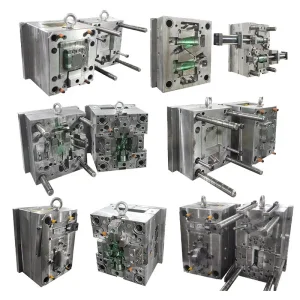
Our quality assurance protocol includes testing structural tolerances at thermal extremes. Mold blocks are machined in-house via advanced CNC tooling, maintaining tolerances of ±0.02mm, which translates directly to zero-waste output and reduced edge trim loss during continuous sheet-fed runs.
The future of thermoforming technology hinges on reducing energy consumption during sheet heating and minimizing plastic scrap ratios. By transitioning to high-frequency infrared quartz heating elements, modern systems can achieve zone-based heating configurations. Heat is applied only where the polymer undergoes draw stretching, preventing excess carbon emissions and saving up to 35% in power consumption compared to ceramic sheet heaters.
Optimizing skeleton waste recovery via inline shredding, granulation, and closed-loop co-extrusion feed systems. Reclaimed clean resin is instantly fed back into the primary extruder core, slashing material costs by up to 25%.
Transitioning from pneumatic actuators to intelligent servomotors for mold clamping and plug assists. Results in precise dynamic depth control and minimizes tool-to-tool impact, extending mold life by 50%.
Replacing modular forming systems with compact, multi-station configurations. Single-frame systems integrate sheet extrusion, forming, punch-cutting, stacking, and scrap winding into a continuous, high-efficiency run.
Get authoritative answers to the most common engineering and production queries regarding industrial customized thermoforming systems.
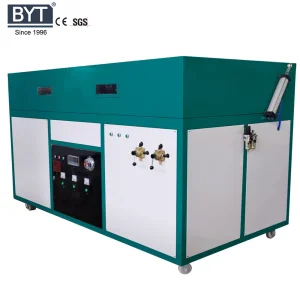
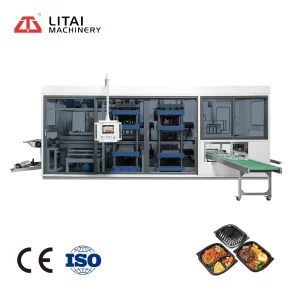
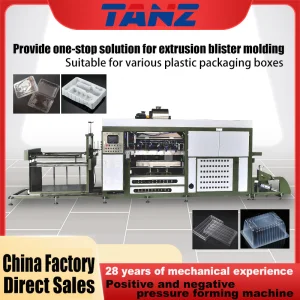
Positive pressure thermoforming applies compressed air to the top surface of the heated polymer sheet, pushing it down into the mold cavity, while vacuum pressure (negative pressure) pulls the sheet from underneath. Combining both methods (positive/negative pressure forming) enables highly uniform material distribution, sharper details, and tighter tolerances, crucial for intricate designs and thick-gauge structural panels.
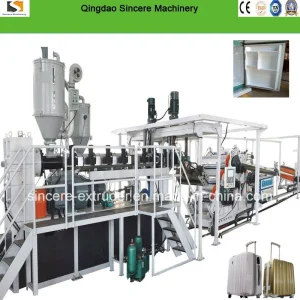
Our co-extrusion sheet lines utilize a coat-hanger design extrusion die with automatic feedback control loops. The thickness profile is continuously monitored using contactless sensors. By dynamically adjusting the thermal profile across the lip heater bolts, the system maintains layer consistency, ensuring that the barrier layer retains its gas tightness even at high draw ratios.
Yes, but processing PLA (Polylactic Acid) requires precise temperature controls due to its narrow processing window and low melt strength. Switara thermoforming systems feature specialized screw geometries on our extrusion units and precise PID thermal control across the heating zones, facilitating seamless shifts between classic polymers and bio-resins without degradation.
We supply a complete spare parts package with every machinery export, including heating elements, thermocouples, and air cylinder seal kits. Beyond hardware, we offer commissioning supervision, operator training modules via video conference, and optional on-site engineering installation. Our remote diagnostics assist factory engineers in optimizing settings and troubleshooting real-time system performance.
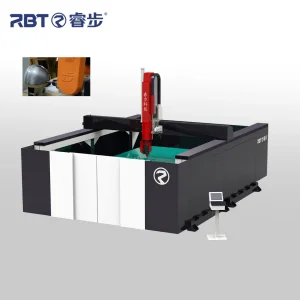
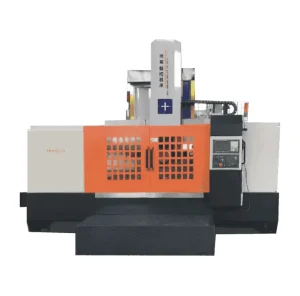
For large vacuum-formed pieces (such as custom automotive parts, dashboards, or heavy industrial housings), traditional stamping dies are cost-prohibitive. A 5-axis CNC router allows multi-angle drilling, pocketing, and edge-trimming on complex structural shapes directly after the cooling cycle, providing precise tolerances and reducing secondary tooling tooling overheads.
Complete your production setup with Switara's high-efficiency downstream lines, multi-layer sheet extruders, and secondary processing solutions.
 Switara Packing