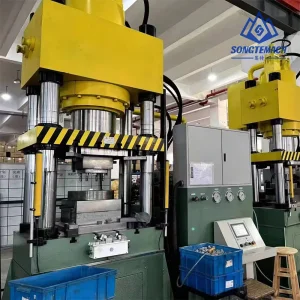
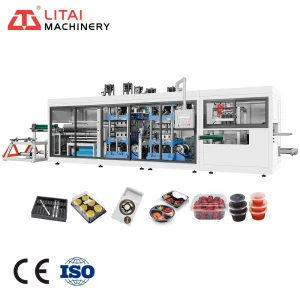
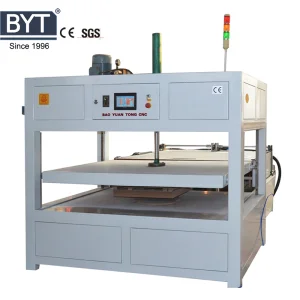
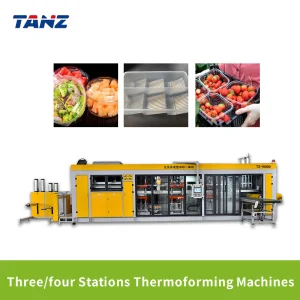
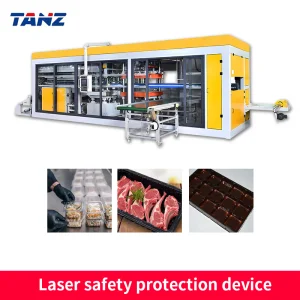
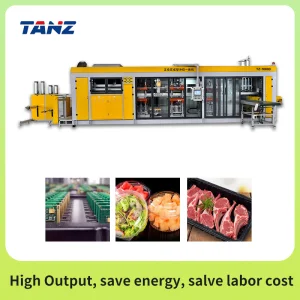
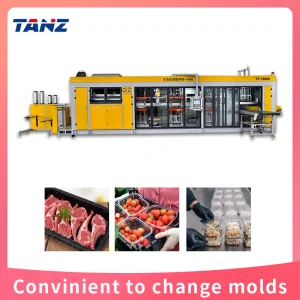
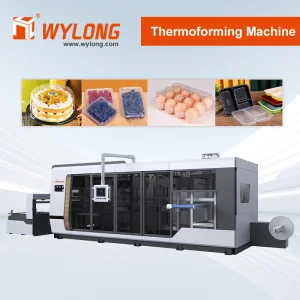
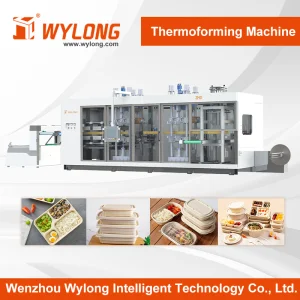
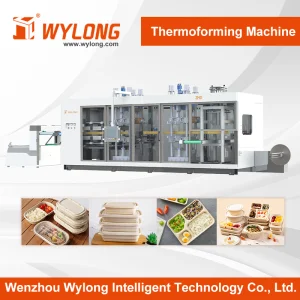
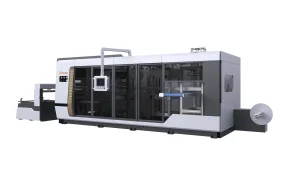
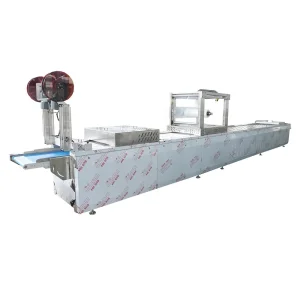
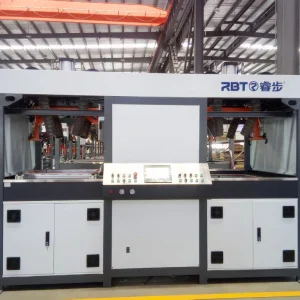
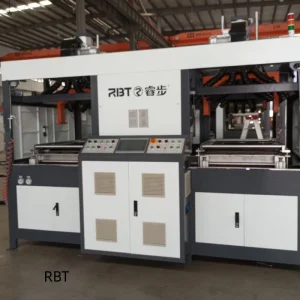
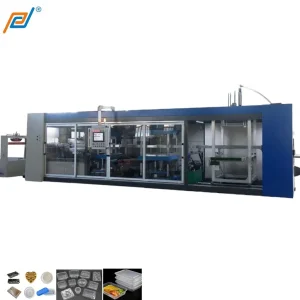
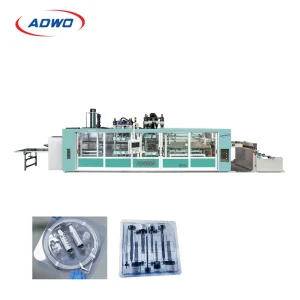
The global manufacturing sector is currently witnessing a massive shift towards Hydraulic Pressure Forming Machine technology. As industries like automotive, aerospace, and sustainable packaging demand lighter yet stronger materials, the role of precision hydraulic systems has become paramount. From internal high-pressure hydroforming (IHPF) for complex metal tubes to positive and negative pressure thermoforming for eco-friendly food containers, these machines are the backbone of modern production lines.
Did you know? The global thermoforming machinery market is projected to reach billions by 2030, driven by the increasing demand for high-speed, fully automated plastic packaging solutions in the medical and consumer sectors.
In Europe and North America, the focus is on "Smart Forming"—integrating AI and IoT into hydraulic presses to monitor pressure levels in real-time. Meanwhile, emerging markets in Southeast Asia and South America are ramping up procurement of cost-effective, durable forming machines to fuel their expanding manufacturing bases.
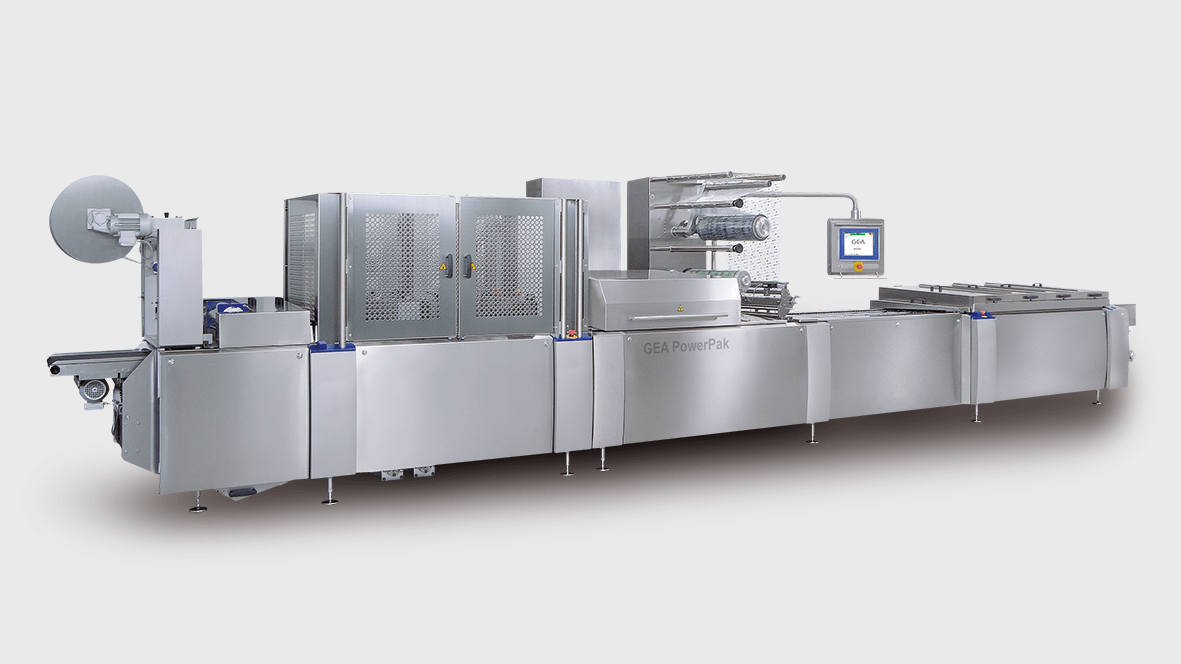
Modern pressure forming machines are now optimized for biodegradable plastics like PLA and recycled PET, helping global brands meet ESG (Environmental, Social, and Governance) targets.
Integration of servo-hydraulic systems reduces energy consumption by up to 40% while increasing the precision of the forming cycle to micron levels.
The trend is moving towards 3-station or 4-station machines that combine forming, cutting, and stacking into a single continuous process for maximum ROI.
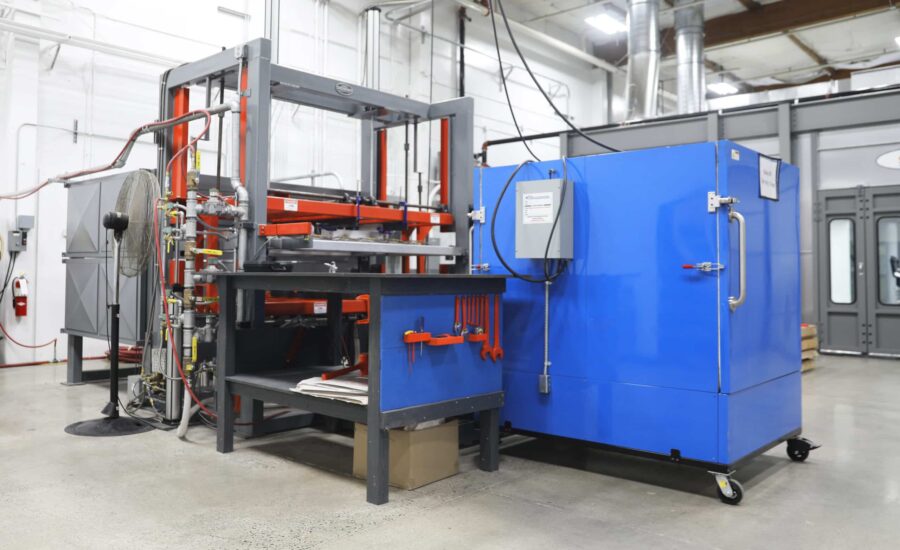
Hangzhou Switara Packing Co., Ltd. is a professional manufacturer specializing in thermoforming packaging machines and plastic forming automation solutions. Since its establishment, the company has focused on delivering advanced, reliable, and efficient packaging technologies for industries such as food, medical, electronics, and consumer goods. With a strong emphasis on innovation and engineering excellence, Switara has continuously evolved to meet the growing demands of global packaging markets.
In its early years, the company started as a small workshop dedicated to basic plastic forming equipment. Through consistent investment in research and development, Switara gradually expanded its capabilities, introducing semi-automatic thermoforming machines and improving production precision. As market demand increased, the company transitioned into fully automated thermoforming packaging systems, integrating modern control technologies and intelligent operation features.
Over time, Hangzhou Switara Packing Co., Ltd. established a comprehensive production system supported by experienced engineers, advanced manufacturing facilities, and strict quality control processes. The company now offers customized solutions, including vacuum forming, pressure forming, and integrated packaging lines designed to enhance productivity and reduce operational costs.
Today, Switara continues to expand its global presence, committed to providing high-performance thermoforming packaging machinery and becoming a trusted partner for customers seeking efficient and scalable packaging automation solutions.
Global procurement managers are increasingly turning to China for Hydraulic Pressure Forming Machines. The reason lies in the unique combination of mature supply chains, rapid prototyping, and high-tier engineering at competitive price points.
Our machines are utilized in diverse environments:
Choosing a Hydraulic Pressure Forming Machine Supplier is not just about the equipment; it's about the technical expertise and long-term support. At Hangzhou Switara, we pride ourselves on our deep engineering bench. Every machine that leaves our factory undergoes a rigorous 48-hour stress test and is calibrated to international CE standards. Our specialists provide comprehensive training and remote diagnostic services to ensure your production line never stops.
Our commitment to reliability is evidenced by our long-standing relationships with tier-1 automotive suppliers and global food packaging conglomerates. We understand the nuances of material science—how different temperatures affect tensile strength in metal hydroforming or how cooling cycles impact the clarity of a thermoformed plastic box. Partner with us to leverage over a decade of technical mastery in hydraulic and vacuum forming technologies.
 Switara Packing