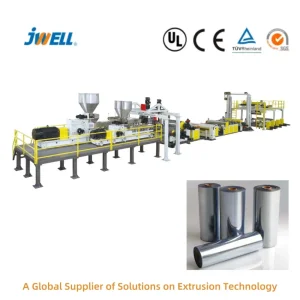
Explore our primary array of high-capacity extrusion lines, fully-integrated thermoforming machinery, and automated sealing systems designed to optimize packaging throughput.
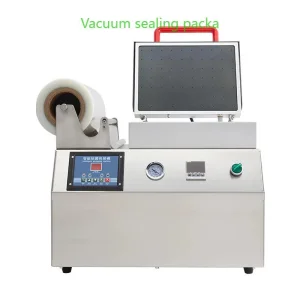
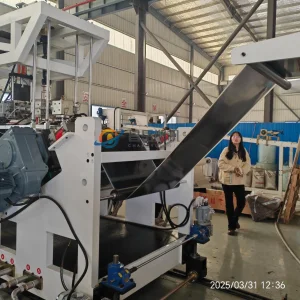
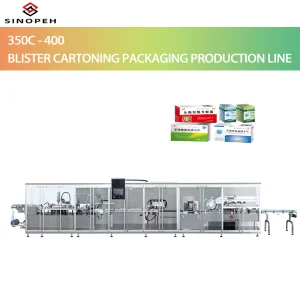
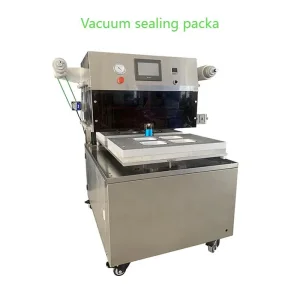
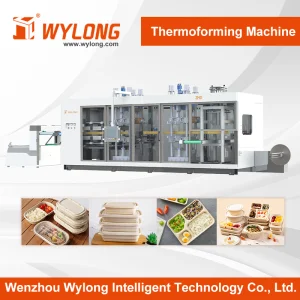
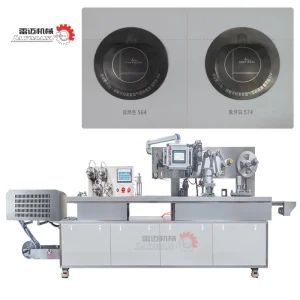
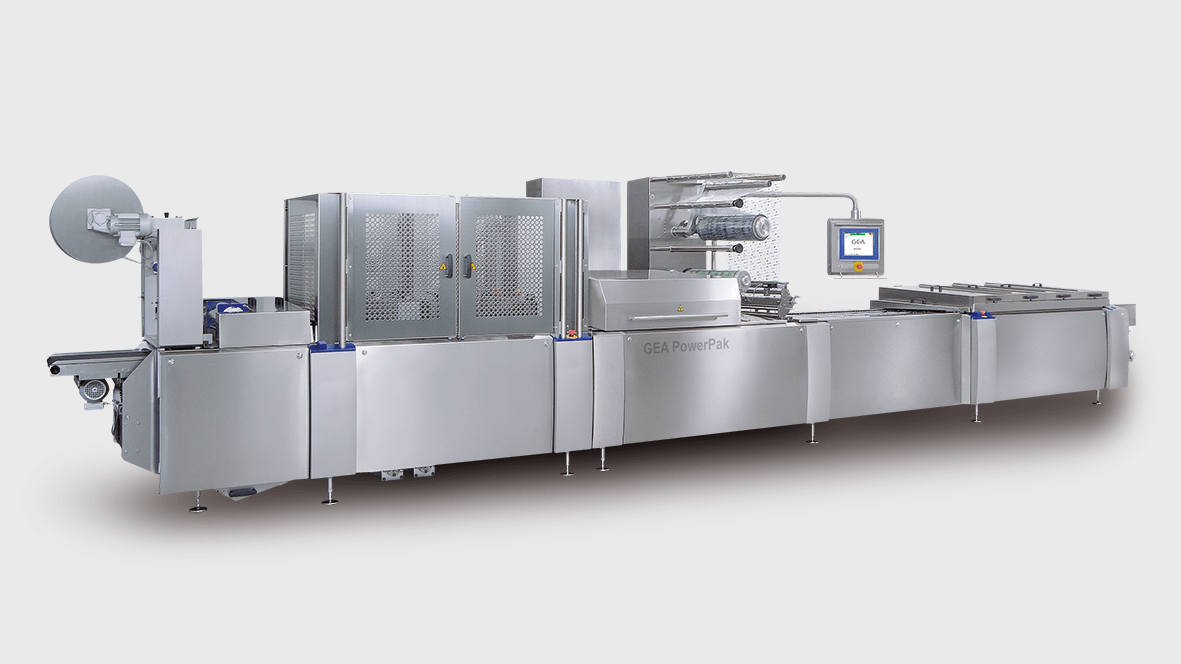
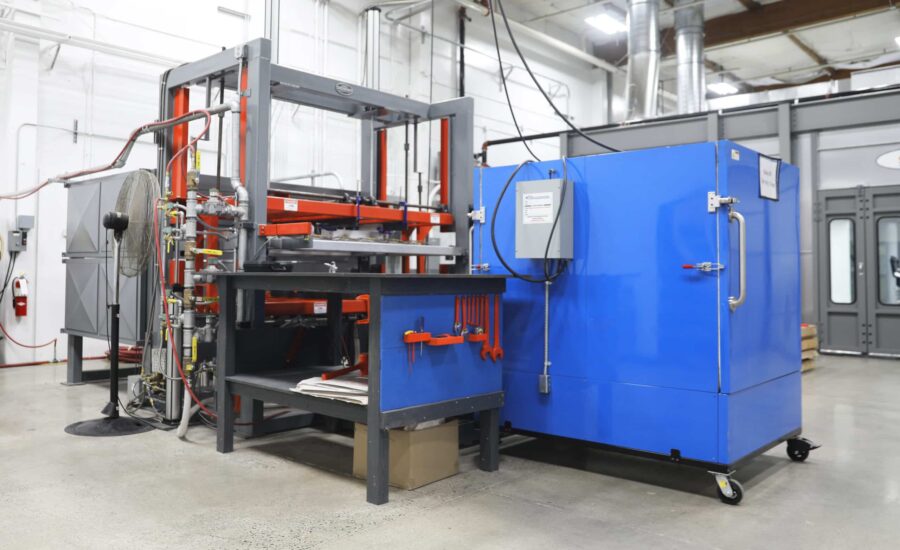
Hangzhou Switara Packing Co., Ltd. is a professional manufacturer specializing in thermoforming packaging machines and plastic forming automation solutions. Since its establishment, the company has focused on delivering advanced, reliable, and efficient packaging technologies for industries such as food, medical, electronics, and consumer goods. With a strong emphasis on innovation and engineering excellence, Switara has continuously evolved to meet the growing demands of global packaging markets.
In its early years, the company started as a small workshop dedicated to basic plastic forming equipment. Through consistent investment in research and development, Switara gradually expanded its capabilities, introducing semi-automatic thermoforming machines and improving production precision. As market demand increased, the company transitioned into fully automated thermoforming packaging systems, integrating modern control technologies and intelligent operation features.
Over time, Hangzhou Switara Packing Co., Ltd. established a comprehensive production system supported by experienced engineers, advanced manufacturing facilities, and strict quality control processes. The company now offers customized solutions, including vacuum forming, pressure forming, and integrated packaging lines designed to enhance productivity and reduce operational costs.
Today, Switara continues to expand its global presence, committed to providing high-performance thermoforming packaging machinery and becoming a trusted partner for customers seeking efficient and scalable packaging automation solutions.
Modern manufacturing requires a balance of high throughput, flexibility, and reduced footprint. The global industrial packaging sector is undergoing a transformation driven by three core movements.
Global legislation is mandating the transition from virgin plastics to recycled matrices such as RPET and PETG. Advanced packaging systems must run these complex, temperature-sensitive multi-layer materials without compromising optical clarity or barrier integrity.
Smart packaging lines now feature PLC controllers with EtherCAT or Profinet communication protocols. Real-time predictive maintenance, remote HMI diagnostics, and precise sensor feedback minimize planned downtime and optimize Overall Equipment Effectiveness (OEE).
Monolithic lines are giving way to plug-and-play modular stations. High-efficiency factories choose setups where forming, cutting, stacking, and cartoning can be reconfigured or expanded as volume demands grow.
Processing recycled PET (RPET) requires specialized twin-screw degassing systems to extract volatile impurities without degrading polymer chains. Without precise heat profiles and constant vacuum venting during extrusion, mechanical properties fall short, causing structural failure in thermoformed blisters.
Partnering with China-based packaging machinery manufacturers provides enterprise buyers with unparalleled speed, technology integration, and cost efficiencies.
Zhejiang and adjacent industrial regions cluster raw chemical synthesis, tool steel foundries, heat treatment workshops, and electronics component suppliers within a small geographical radius, dramatically reducing development lead times.
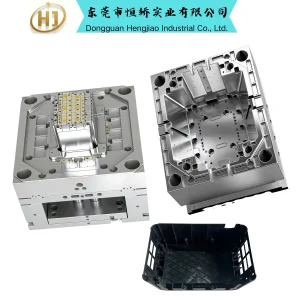
Equipped with 5-axis CNC machining centers, our factories can develop custom aluminum or steel thermoforming tooling (positive/negative pressure forming) within 15–20 days, compared to European lead times of 8–12 weeks.
By leveraging unified component sourcing (e.g., Siemens PLCs, Festo pneumatics, Omron temperature controls) across a high volume of builds, factories achieve lower bill-of-materials cost which is passed down as CAPEX savings to international buyers.
Procuring industrial machinery globally involves balancing equipment capabilities with operational readiness. Enterprise-level buyers focus on specific criteria to minimize risk.
Modern packaging lines must seamlessly transition between varying film thicknesses (typically ranging from 0.2mm for retail trays to 2.0mm for heavy-duty industrial blisters). Equipment must support PET, PVC, PP, PS, and PLA without requiring major mechanical overhauls, relying instead on pre-programmed recipes in the HMI.
Heating constitutes the highest energy cost in thermoforming. High-performance machinery integrates individual zone temperature controls utilizing infrared ceramic heaters. This localized control minimizes radiant energy loss, shrinking the carbon footprint while dropping monthly utility costs.
Purchase price is only one metric. Wise procurement agents assess long-term upkeep expenses, the simplicity of part replacement, and tool-change times. Quick-change mold designs allow a single operator to swap thermoforming molds in under 30 minutes, keeping the production line responsive to shifting schedules.
Operating on the global stage demands adhering to regional regulations and maintaining continuous engineering support.
Our machinery conforms strictly to target-market safety frameworks. This includes full CE declaration for the European Union (governed by the Machinery Directive 2006/42/EC) and UL/CSA component listings for North American markets, ensuring smooth facility installation audits.
We conduct Factory Acceptance Testing (FAT) on our assembly floor, complete with customer material runs and high-speed video verification. Following delivery, our regional field application engineers lead the Site Acceptance Testing (SAT) and train your onsite staff.
Using secure VPN gateways integrated directly into the machine's PLC, our technical support engineers can analyze performance metrics, adjust parameters, and push software updates remotely, resolving issues without waiting for site visits.
From medical-grade sterile environments to heavy industrial parts shipping, custom configurations ensure peak performance.
Medical device manufacturers require class-10,000 cleanroom compliance. Our machinery utilizes oil-free pneumatic components, dust-free cutting mechanisms, and medical Tyvek-to-PETG heat sealing systems to guarantee micro-barrier seal integrity, preserving device sterility until use.
Extending shelf life for seafood and fresh protein requires gas-flushing cycles that exchange atmospheric oxygen with food-grade CO2 and N2. Integrated MAP systems accurately control this process, maintaining gas composition consistency at high production rates.
For consumer electronics and retail goods, linking the thermoformer directly to high-speed cartoning machines cuts down manual assembly steps. The system folds, inserts, seals, and inspects product boxes sequentially on a single operational platform.
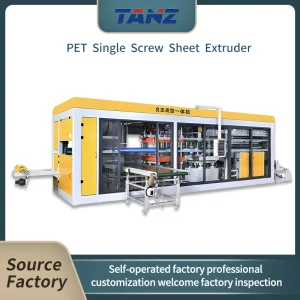
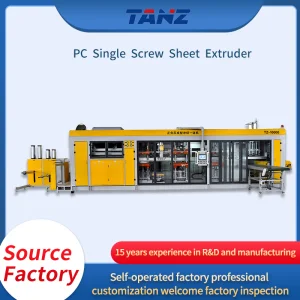
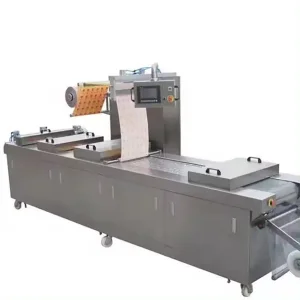
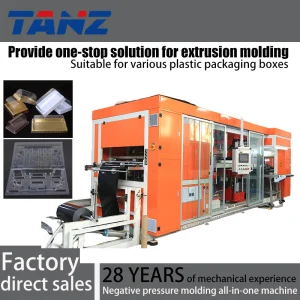
Our secondary line features specialized thermoform packaging units, cup production systems, and protective plastic packaging machinery.
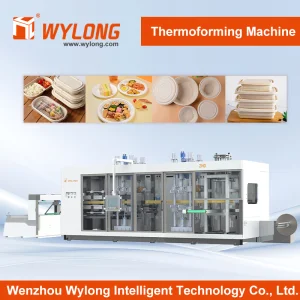
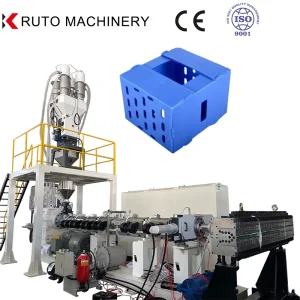
Answers to critical questions regarding machinery selection, compliance, and material capabilities.
Positive pressure forming utilizes compressed air (typically 4–6 bar) applied to the heated plastic sheet, forcing it down into the mold cavity. This produces extremely sharp details, uniform wall thickness, and precise geometry—crucial for food container lids or complex electronic blisters. It is ideal for thicker sheets and materials that resist stretching.
Negative pressure (vacuum) forming pulls the sheet against the mold using a vacuum pump (typically -0.9 bar). It features lower tooling and system complexity, making it highly cost-effective for large, shallow items or lower volume production runs where super-crisp corner radii are not strictly required.
Conventional single-screw extruders require processing PET through a pre-crystallizer and hot desiccant dryer for 4-6 hours to reduce moisture below 50 ppm, preventing hydrolytic degradation. A high-efficiency dyer-free twin-screw vented system bypasses this process.
The co-rotating twin screws feature multiple degassing ports linked to high-vacuum systems (usually below 10 mbar). As the polymer melts under shear, moisture and volatile organic compounds (VOCs) are instantly flashed off and vacuum-extracted directly from the melt phase, saving up to 35% in energy consumption and eliminating costly drying equipment.
For the European Union, machinery must carry the CE mark. This requires compliance with the Machinery Directive (2006/42/EC), Low Voltage Directive (2014/35/EU), and EMC Directive (2014/30/EU). Key standards include EN ISO 12100 for risk assessment and EN 60204-1 for electrical safety.
For the North American market, the electrical assembly should comply with UL 508A (for industrial control panels) or NFPA 79 standards. Compliance with OSHA safety regulations and certification by a Nationally Recognized Testing Laboratory (NRTL) like Intertek or TÜV is critical to clear municipal factory inspections.
To ensure high quality, modern packaging lines implement online monitoring. This includes integrated pressure decay testing and optical sensors that check seal width and look for wrinkles. For gas consistency, inline oxygen analyzer systems sample gas levels in real-time, instantly rejecting any tray that falls below standard parameters without stopping the line.
 Switara Packing