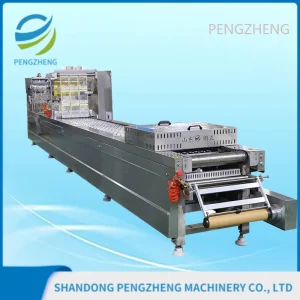
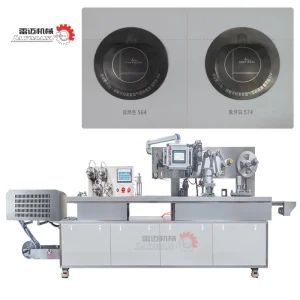
Hangzhou Switara Packing Co., Ltd. is a professional manufacturer specializing in thermoforming packaging machines and plastic forming automation solutions. Since its establishment, the company has focused on delivering advanced, reliable, and efficient packaging technologies for industries such as food, medical, electronics, and consumer goods. With a strong emphasis on innovation and engineering excellence, Switara has continuously evolved to meet the growing demands of global packaging markets.
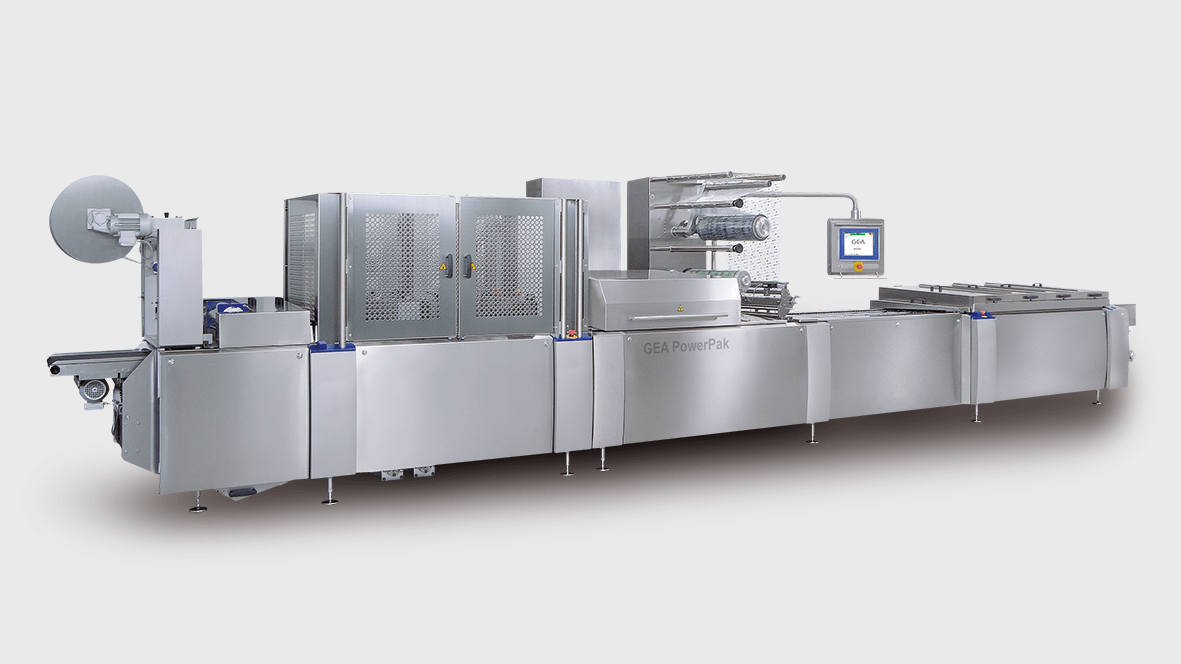
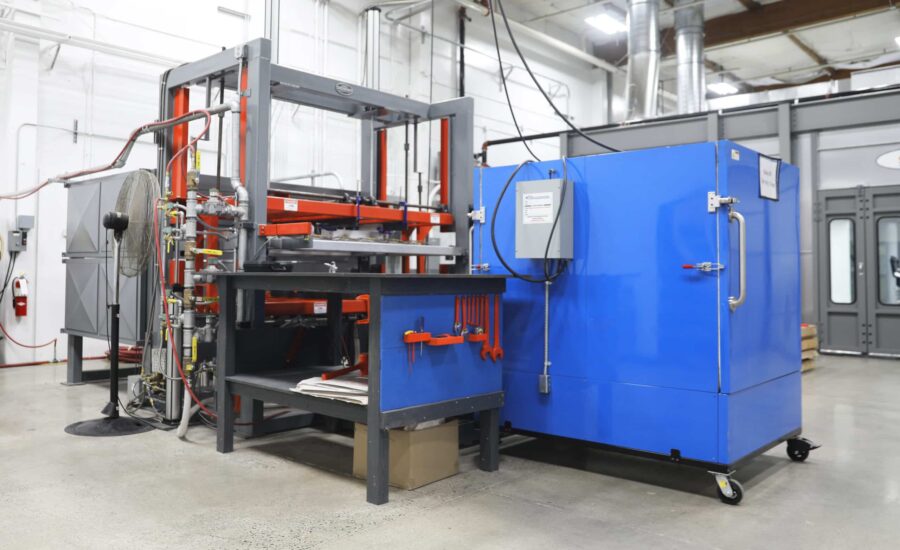
Over time, Hangzhou Switara Packing Co., Ltd. established a comprehensive production system supported by experienced engineers, advanced manufacturing facilities, and strict quality control processes. The company now offers customized solutions, including vacuum forming, pressure forming, and integrated packaging lines designed to enhance productivity and reduce operational costs.
Today, Switara continues to expand its global presence, committed to providing high-performance thermoforming packaging machinery and becoming a trusted partner for customers seeking efficient and scalable packaging automation solutions.
In modern industrial commerce, the paradigm of "Low-Volume Production Packaging" (LVP) has transitioned from a specialized service to a critical strategic asset. Global enterprises, particularly in sectors characterized by high regulatory scrutiny or frequent product iterations—such as medical devices, clinical trials, gourmet foodstuffs, boutique cosmetics, and high-performance electronics—increasingly reject the overhead and lack of agility imposed by hyper-scale packaging contracts. Traditional massive production runs require massive capital expenditure in custom tooling, long lead times, and substantial inventory storage costs.
Low-volume packaging manufacturing services (typically defined as runs of 500 to 10,000 units) empower brands to deploy localized market tests, launch customized SKUs, and execute critical verification trials without initiating massive financial commitments. By partnering with agile Chinese factories like Switara, procurers can optimize their cash flow, minimize warehousing liabilities, and accelerate their overall time-to-market. The core challenge, however, lies in executing low-volume runs without compromising on structural integrity, material compliance, or aesthetic excellence. This is where specialized mechanical design and rapid tooling come to the forefront.
Avoid capital stagnation by ordering only what is needed for current sales cycles, reducing obsolescence and storage fees.
Accelerate mechanical design validation, ensuring physical packaging performance matches theoretical designs early on.
Deploy specialized configurations for localized regulatory requirements without incurring heavy operational penalties.
Why do leading global procurers consistently source low-volume production packaging equipment and services from China, specifically regions like Hangzhou? The answer resides in the unparalleled density of the local industrial ecosystem. In China, a single machinery builder is supported by thousands of specialized suppliers within a 100-kilometer radius—ranging from precision CNC machine shops and sheet metal fabricators to sensor manufacturers, heat treatment specialists, and automation systems integrators. This allows factories to execute rapid design modifications in days rather than the weeks required in Western markets.
Furthermore, Chinese manufacturers like Switara have democratized the cost of custom tooling. The tooling cost for a complex thermoforming machine (comprising heating plates, form tools, cutting dies, and seal grids) is significantly lower in China due to highly optimized aluminum billet sourcing, localized engineering intelligence, and advanced multi-axis CNC machining techniques. Consequently, setting up a custom, low-volume mold is no longer a cost-prohibitive barrier. This synergy enables international buyers to acquire custom automated packaging machinery or low-volume molded plastics at a fraction of the cost, maintaining high quality through advanced PLC controls and standardized component options (such as Siemens, Omron, and SMC pneumatics).
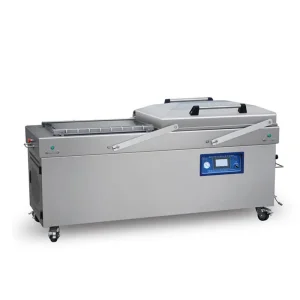
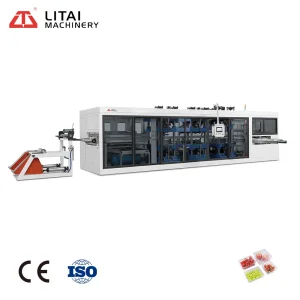
A successful low-volume packaging strategy relies on advanced equipment engineering. Hangzhou Switara Packing Co., Ltd. addresses this requirement by building thermoforming and vacuum packaging machines with highly customizable architectures. Instead of relying on monolithic, single-purpose mold plates, Switara's designs integrate modular, quick-change tooling fixtures. This permits machine operators to complete a full tool swap in under 45 minutes, dramatically minimizing mechanical downtime during product changovers.
Supporting positive-pressure, negative-vacuum, and combined forming methods. Switara systems can process diverse film thicknesses (from 100 microns up to 1.5mm) using HIPS, PETG, PVC, PP, and biodegradable materials like PLA.
Integrated HMI systems with Multi-recipe storage allow operators to adjust heating temperatures, vacuum duration, sealing time, and feed length with millimeter precision, ensuring consistent results across production runs.
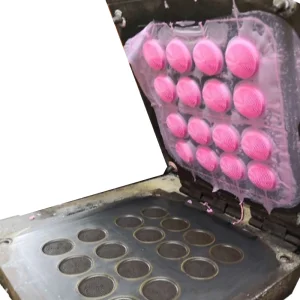
We work directly from customer CAD drawings (STEP/IGS format) to construct precise thermoforming molds and die-cut matrices. This guarantees that final physical trays or blister packs fit product contours exactly.
Exporting high-technology equipment requires compliance with rigorous international regulatory frameworks. To support our global clients, Switara enforces strict alignment with recognized standards. Whether manufacturing packaging machines for medical devices that require cleanroom integration or vacuum sealers destined for European food processing facilities, our machines are built to satisfy the necessary criteria:
To reduce downtime and eliminate cross-border friction, Switara supports its clients with localized engineering networks and modern troubleshooting assistance. We offer detailed digital document sets, remote PLC diagnostics via internet links, and quick-ship spare parts options to keep your operations running smoothly.
To maintain reliable operations across different time zones, our service infrastructure focuses on several key areas:
The global thermoforming and packaging industry is undergoing rapid changes. Modern enterprises are moving away from traditional, energy-heavy manufacturing toward smart, resource-efficient technologies. A significant shift is the rising demand for bio-based and monomaterial films. Recyclable monomaterial structures like PP and PET are replacing complex co-extruded films to simplify the recycling process. Switara supports this transition by refining machine thermal profiles and tension controls, enabling our systems to form and seal these sensitive materials reliably.
In addition, digital manufacturing integration is becoming standard practice. Production managers now require real-time visibility into overall equipment effectiveness (OEE). By incorporating sensor arrays linked to central PLCs, modern thermoforming setups monitor cycle times, energy consumption, and pneumatic pressures. This continuous data stream supports predictive maintenance strategies, helping operators resolve mechanical deviations before they lead to quality issues or unscheduled downtime.
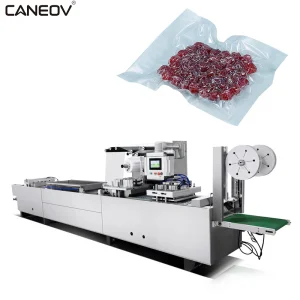
Our thermoforming vacuum packaging machines are frequently utilized for preserving beef, sausages, cheese, and ready-to-eat meals. Systems handle MAP (Modified Atmosphere Packaging) gas flushing to extend product shelf life.
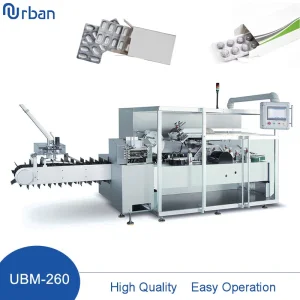
Suitable for cleanroom production of sterile barriers for pharynx swabs, masks, syringes, and infusion kits. Automated blister packing protects these critical items until point-of-use.
Custom semi-automatic and automatic pressure forming systems produce protective ESD trays. These trays prevent static damage to sensitive PCBs, sensors, and consumer components.
Specialized vacuum forming setups produce reusable plastic nursery trays and hollow agricultural sheets, helping growers optimize space and maintain root integrity during transplanting.
 Switara Packing