Directly integrated systems engineered for high OEE, multi-material flexibility, and extreme operational precision.
The global industrial sector is undergoing a monumental paradigm shift. As consumer demand for customized, sustainable, and rapidly delivered goods accelerates, modern manufacturing facilities can no longer rely on fragmented, labor-intensive packaging setups. Packaging automation solutions have transitioned from high-tier luxury investments to essential infrastructure required for competitive operational survival.
From primary thermoforming packaging to multi-axis CNC integration, automated packaging systems bridge the gap between high-speed material handling and stringent quality assurance. In regions across North America, Europe, and Asia-Pacific, enterprise buyers prioritize modular architecture, Internet of Things (IoT) sensor integration, energy efficiency, and compliance with strict safety standards (such as CE, ISO 13485, and FDA regulations).
Modern automated machinery eliminates operational bottlenecks caused by manual tray loading, sealing, lid forming, and inline quality checkings. By standardizing motion control systems through advanced multi-axis numerical controllers, factories achieve unprecedented continuous uptime and sub-millimeter repeatable precision.
Demonstrated longevity in mechanical tool fabrication, cold-runner injection molding, deep-draw vacuum forming, and thermal sealing process refinement across high-volume production lines.
In-house capabilities in multi-axis motion controls, integrated error compensation algorithms, dynamic mold design, and compatibility with recyclable polymers (PET, PP, PLA, biodegradable pulp).
Verified compliance certifications (CE mark, ISO 9001 quality management systems), documented case studies, and scalable white-label OEM / ODM manufacturing track records for global brands.
Comprehensive review of top-tier packaging equipment categories, mechanical specifications, and industrial application frameworks.
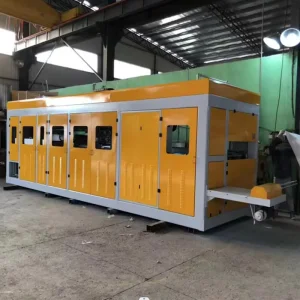
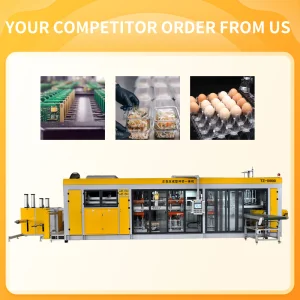
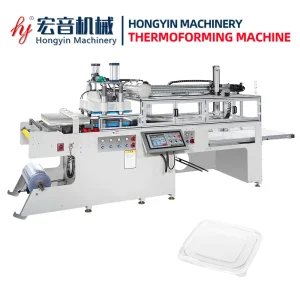
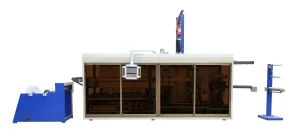
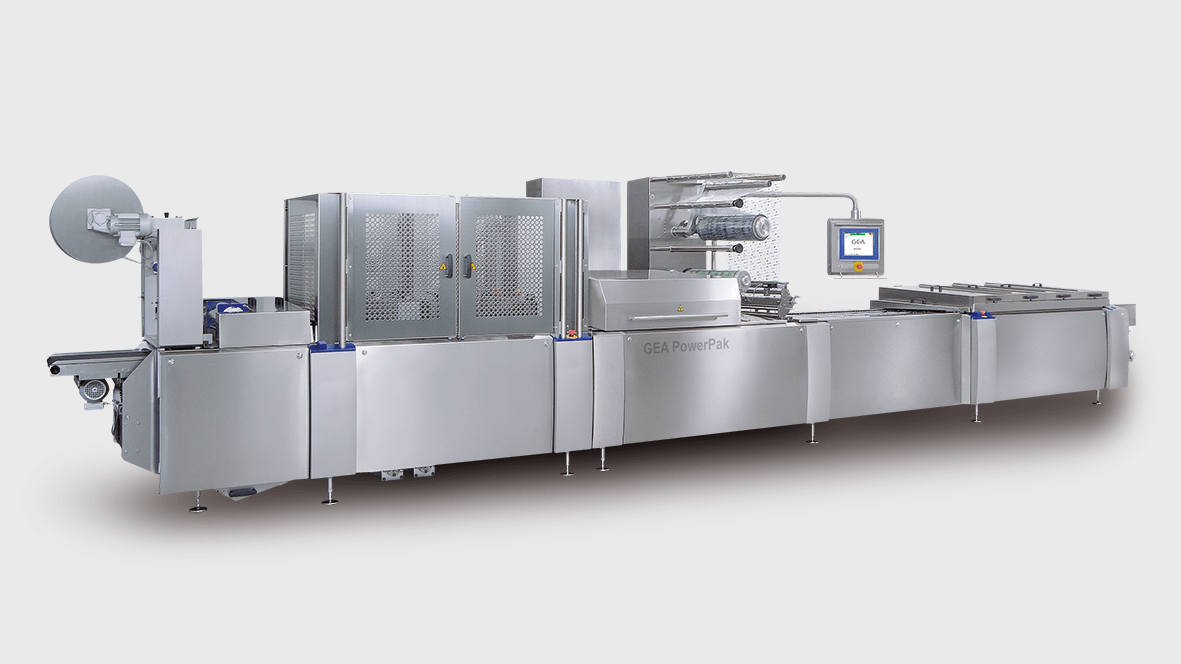
Designed for ultra-high throughput production, continuous roll-fed thermoforming systems feed rigid or flexible film sheets directly from coils through pre-heating, servo-driven forming, pressure punching, and trimming stations.
Key Advantage: Handles film thicknesses from 0.15mm to 3.0mm with sub-millimeter positional alignment, making it perfect for food trays, egg cartons, and disposable lid containers.
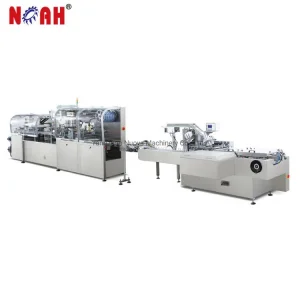
Integrated blister cartoning lines unify primary blister forming (capsules, tablets, or ampoules) with secondary cartoning, leaflet folding, and batch printing into an uninterrupted cleanroom-ready system.
Key Advantage: Incorporates online vision systems for instant detection and rejection of defective cavities, upholding pharmaceutical-grade precision.
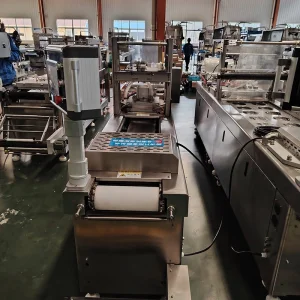
Modified Atmosphere Thermoformers purge oxygen and inject targeted inert gas mixtures (N2/CO2) prior to hermetic thermal sealing, substantially extending the shelf life of fresh food and meat blocks.
Key Advantage: Reduces food spillage, preserves product freshness without chemical preservatives, and forms tight flexible film seals around variable shapes.
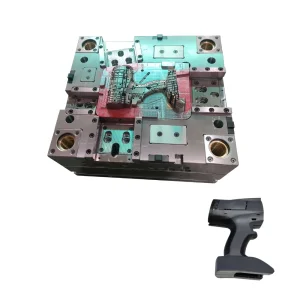
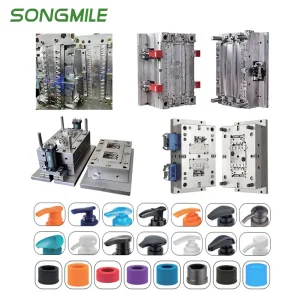
Custom-engineered cold runner injection tooling optimizes thermal transfer and material injection during high-speed cycle runs for intricate parts such as lotion pumps, spray triggers, and flip-top closures.
Key Advantage: Balanced core-cavity alignment prevents flash formation, minimizes runner waste, and maximizes multi-cavity output stability.
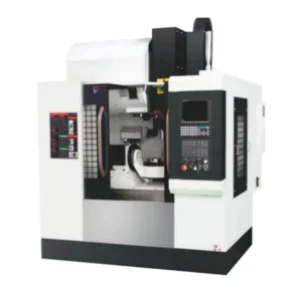
Centralized multi-axis numerical control systems feature real-time error compensation routines that sync high-speed robotic pick-and-place arms, vacuum suction cups, and indexing chains.
Key Advantage: Seamless communication across CANopen, EtherCAT, or PROFINET networks ensures zero step losses during complex motion sequences.
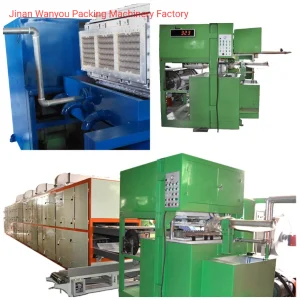
Pulp molding automated setups transform recycled paper pulp into sturdy protective packaging, industrial cushioning trays, and bio-degradable fruit trays using vacuum suction forming and hot-press finishing.
Key Advantage: Direct response to global plastic reduction mandates with low thermal energy usage and automated closed-loop water filtration.
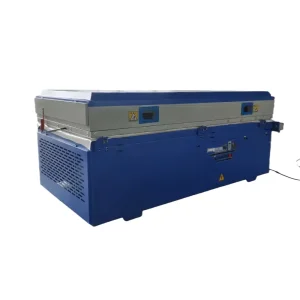
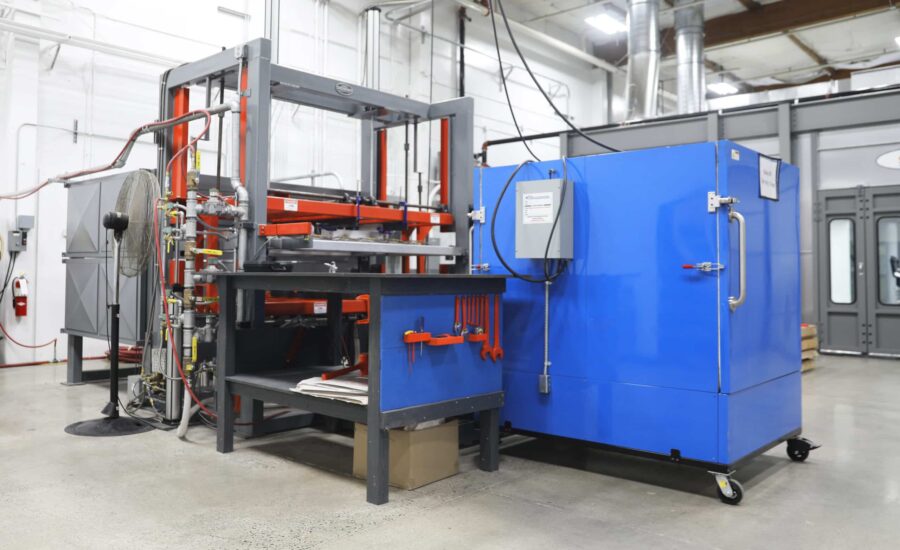
Constructed for thick-sheet applications (up to 10mm+), these heavy-duty vacuum systems heat plastic sheets (ABS, HDPE, HIPS) to form large architectural parts, cabinet panels, and automotive components.
Key Advantage: Dual ceramic heating zones with pneumatic plug assist ensure uniform wall thickness across deep draw depths.
High-speed specialty thermoformers designed specifically for mass manufacturing beverage lids, soup cup covers, and clamshell container lids with inline punching and stacking units.
Key Advantage: Operates at high cycle rates (up to 35-50 cycles per minute) with ultra-thin film compatibility (down to 0.15mm), reducing raw material overhead.
Advanced multi-shot injection molds enable dual-injection processing of rigid structural plastics with soft TPE/TPR rubber overmolds, delivering premium tactile handles and dynamic color aesthetics.
Key Advantage: Eliminates manual assembly stages by bonding distinct polymer phases within a single automated injection cycle.
Combines continuous thermal transfer printers, laser coders, and high-resolution optical vision inspection modules directly into automated packaging lines.
Key Advantage: Verifies batch number legibility, barcode scanability, and seal integrity automatically before downstream boxing and palletizing.
Hangzhou Switara Packing Co., Ltd. is a professional manufacturer specializing in thermoforming packaging machines and plastic forming automation solutions. Since its establishment, the company has focused on delivering advanced, reliable, and efficient packaging technologies for industries such as food, medical, electronics, and consumer goods. With a strong emphasis on innovation and engineering excellence, Switara has continuously evolved to meet the growing demands of global packaging markets.
In its early years, the company started as a small workshop dedicated to basic plastic forming equipment. Through consistent investment in research and development, Switara gradually expanded its capabilities, introducing semi-automatic thermoforming machines and improving production precision. As market demand increased, the company transitioned into fully automated thermoforming packaging systems, integrating modern control technologies and intelligent operation features.
Over time, Hangzhou Switara Packing Co., Ltd. established a comprehensive production system supported by experienced engineers, advanced manufacturing facilities, and strict quality control processes. The company now offers customized solutions, including vacuum forming, pressure forming, and integrated packaging lines designed to enhance productivity and reduce operational costs.
Today, Switara continues to expand its global presence, committed to providing high-performance thermoforming packaging machinery and becoming a trusted partner for customers seeking efficient and scalable packaging automation solutions.
China's robust industrial ecosystem allows factory partners like Switara to source high-grade raw steels, CNC components, pneumatic valves, and PLCs with rapid turnaround, translating to shorter lead times.
Tailor-made tooling options allow overseas buyers to design unique package shapes, optimize cavity counts, and adapt machinery to local plant electrical voltage requirements without exorbitant custom development costs.
Achieve Western-grade machinery reliability and precision at a significantly lower initial capital investment (CapEx), accelerating payback cycles and boosting total ROI.
Integrated thermoforming vacuum packaging machines seal fresh pork, poultry, and processed deli meats in flexible barrier films under inert atmospheres. This eliminates microbial contamination, prolongs shelf display life, and prevents package freezer burn in refrigerated retail supply chains.
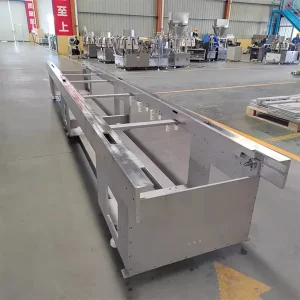
Blister packaging lines for capsules, softgels, and syringes operate seamlessly in Class 100,000 cleanroom environments. Stainless steel machine framing and easily cleanable surfaces comply fully with cGMP standards, preventing cross-contamination.
Precision injection molds create high-accuracy cold runner parts for lotion pumps, trigger sprayers, and perfume caps. Zero-leakage tolerances ensure smooth actuation and chemical resistance when filled with alcohols or essential oils.
Heavy-duty thermoforming systems turn conductive or anti-static PET/HIPS sheets into custom ESD trays. These protect delicate circuit boards, automotive micro-chips, and hardware tools during international freight shipping.
Modern packaging machinery is increasingly equipped with vibration, temperature, and pressure sensors linked to edge-computing controllers. AI algorithms analyze parameter anomalies to schedule maintenance proactively, averting unplanned line shutdowns.
As global legislation restricts single-use plastics, thermoformers and injection systems are optimized to handle bio-based plastics such as PLA, PHA, and recycled rPET without compromising cycle speed or seal strength.
Interconnected smart factories utilize cloud connectivity (OPC UA protocols) to relay real-time throughput data directly to enterprise resource planning (ERP) software, granting plant managers instant visibility over overall equipment efficiency (OEE).
When acquiring high-capacity packaging automation machinery, calculating the true Total Cost of Ownership (TCO) extends far beyond the initial equipment purchase price. Procurement teams must evaluate operational efficiency, utility consumption, tooling wear life, and spare parts availability.
Always insist on comprehensive FAT procedures before shipment. Test run the machinery using actual production materials at full design speeds for a minimum of 4–8 continuous hours to ensure mechanical stability.
Choose equipment suppliers offering standardized quick-change mold systems. Fast mold changeovers (under 30 minutes) dramatically cut idle time when switching between diverse product SKUs.
Verify that the manufacturer provides remote PLC diagnostics, online troubleshooting, comprehensive technical documentation, and fast dispatch of critical wear components (heating elements, pneumatic seals, cutters).
Vacuum forming relies on atmospheric differential pressure (approx. 1 bar) pulling heated plastic into a mold cavity. It is ideal for larger parts, moderate detail requirements, and cost-conscious tooling. Pressure forming adds compressed air (up to 4–6 bar) on top of the vacuum, forcing the softened sheet into sharp mold contours. Choose pressure thermoforming when manufacturing intricate geometries, crisp branding logos, ultra-sharp edges, or highly detailed packaging containers.
Cold runner injection molds engineered specifically for lotion pump components optimize cooling channel layouts around the core and cavity inserts. This precise thermal management reduces cycle cooling times, minimizes internal stress in fine molded parts (like triggers, stems, and caps), and ensures tight dimensional tolerances required to prevent fluid leakage.
High-speed packaging lines run at tens or hundreds of cycles per minute. Thermal expansion, mechanical wear, and micro-vibrations can cause position drifts over long operational shifts. Multi-axis controllers featuring dynamic error compensation automatically adjust servo encoder targets in real-time, preventing material jams, misaligned seals, and product damage.
Yes. Leading Chinese manufacturers like Hangzhou Switara Packing Co., Ltd. design modern thermoforming and vacuum equipment with precision multi-stage heating zones and micro-adjustable plug assists. These controls allow fine adjustment of narrow temperature processing windows required for bio-polymers like PLA and high-content rPET films without degradation.
Standard semi-automatic or stock packaging systems can ship in 15 to 30 days. Custom fully-automated lines—including specialized molds, robotic feed integration, and custom PLC programming—typically require 45 to 75 days from 3D CAD design approval to factory testing completion.
Explore our specialized forming, extrusion, mold design, and date-printing machinery portfolio.
 Switara Packing