In the contemporary manufacturing sector, packaging is no longer viewed as merely a post-production step. Instead, it is recognized as a vital pillar of supply chain efficiency, brand preservation, and product protection. As global markets transition toward automated processing architectures, the requirement for high-performance packaging systems and fully integrated manufacturing environments has reached critical levels. This demand is driven by the necessity for operational speed, minimal material waste, and absolute sanitary control across primary industrial sectors, including food processing, medical devices, electronic components, and heavy consumer goods packaging.
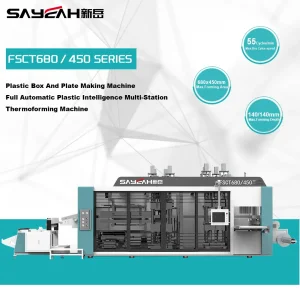
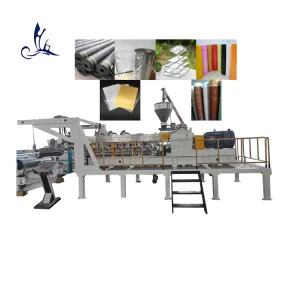
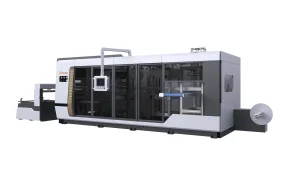
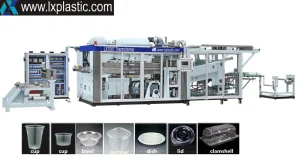
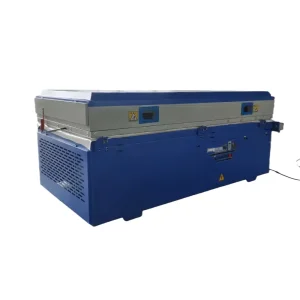
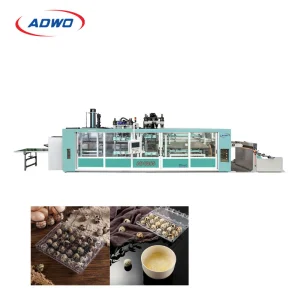
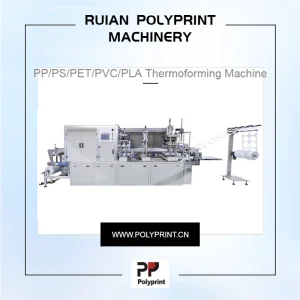
Modern thermoforming systems now operate at the center of high-throughput production lines. This process involves heating thermoplastic sheets to a flexible temperature, shaping them in highly detailed tooling cavities, and trimming them in integrated processes. When these machines are aligned within an end-to-end production flow, they minimize human physical intervention, stabilize cycle times, and directly reduce per-unit operational costs. For international manufacturers looking to expand their operations, partnering with a trusted equipment exporter is a key step toward achieving scalable growth.
Hangzhou Switara Packing Co., Ltd. operates as a specialized manufacturer focusing on thermoforming packaging machinery and plastic forming automation solutions. Since our founding, the company has worked to design, build, and deliver advanced, reliable, and highly efficient packaging systems optimized for the demanding requirements of the food, medical, electronics, and consumer goods industries. By maintaining a focus on technical innovation and strict engineering standards, Switara has continually evolved to meet the changing needs of the global packaging market.
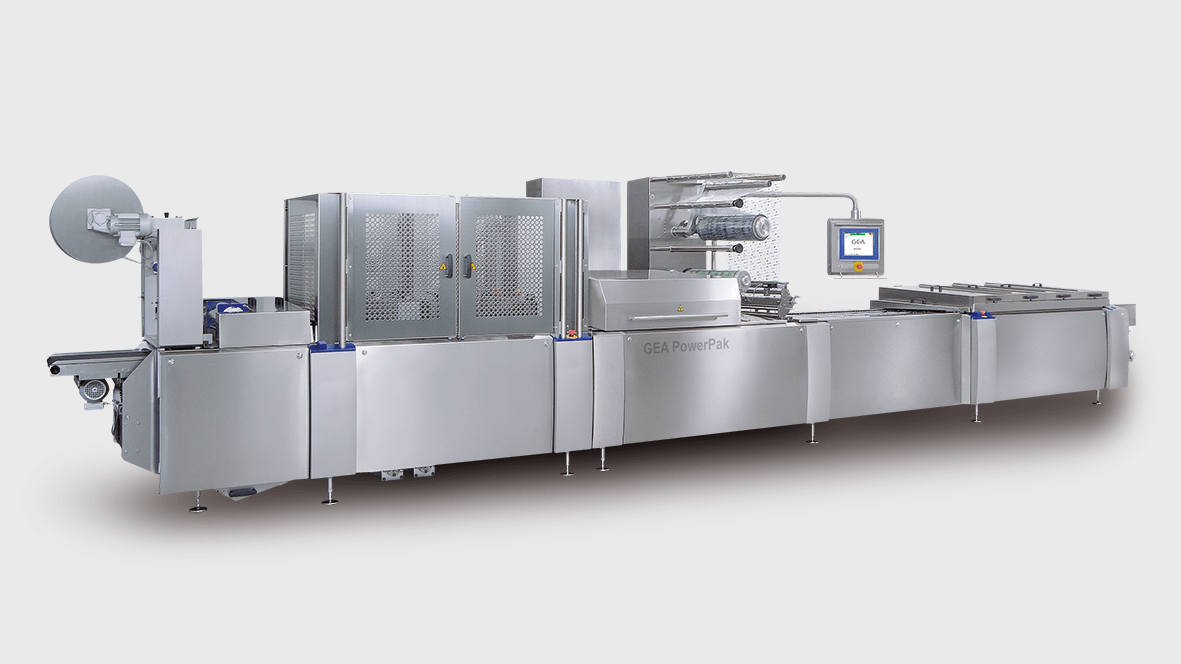
In our early years, the company operated as a small workshop focused on basic plastic forming equipment. Through sustained investment in research and development, Switara expanded its internal capabilities, introducing semi-automatic thermoforming systems and enhancing tooling precision. As industry demands shifted toward continuous high-speed production, the company successfully transitioned into developing fully automated thermoforming packaging systems, integrating modern control systems, digital sensors, and intelligent operation interfaces.
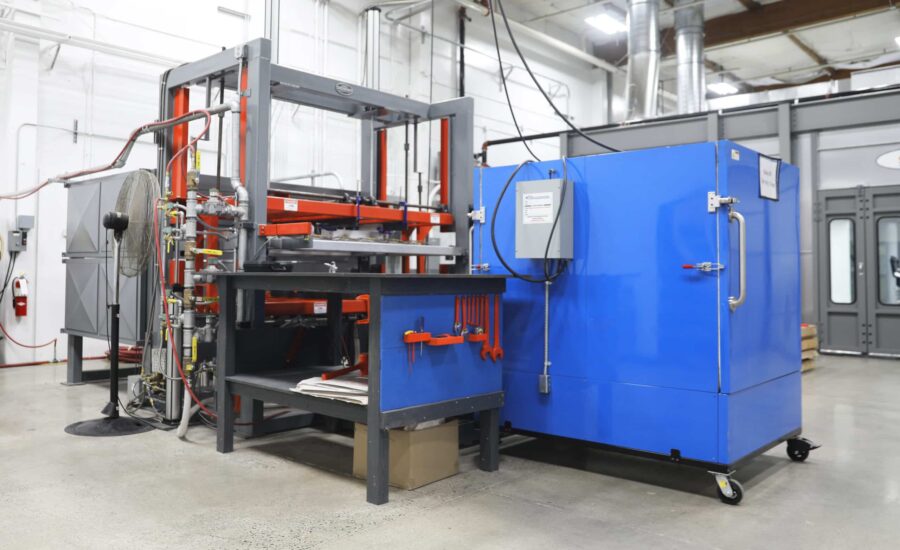
Over the years, Hangzhou Switara Packing Co., Ltd. has built a comprehensive production facility supported by experienced design engineers, advanced CNC manufacturing systems, and thorough quality inspection frameworks. Today, the company delivers customized, project-specific systems that cover vacuum forming, positive/negative pressure forming, and inline integrated packaging lines. These systems are designed to help industrial operations maximize productivity while minimizing overall downtime.
Industrial thermoforming requires highly precise temperature control and pressure management to process a wide range of modern polymers. Depending on the packaging requirements, materials such as Polypropylene (PP), Polyethylene Terephthalate (PET), High Impact Polystyrene (HIPS), and Polylactic Acid (PLA) each exhibit specific thermal behaviors during processing:
| Material Type | Ideal Thermoforming Range | Common Applications | Key Performance Strengths |
|---|---|---|---|
| PP (Polypropylene) | 150°C - 170°C | Microwavable trays, deli tubs, hot fill cups | Excellent chemical resistance, high heat tolerance, durable hinge properties |
| PET (Polyethylene Terephthalate) | 120°C - 145°C | Beverage cups, clear dome lids, egg trays, blister packs | Outstanding clarity, robust oxygen barrier protection, fully recyclable |
| PLA (Polylactic Acid) | 90°C - 120°C | Biodegradable food trays, cold-drink cups | Bio-based composition, lower carbon footprint, compostable properties |
| HIPS (High Impact Polystyrene) | 130°C - 155°C | Industrial trays, cosmetics cases, inner product packaging | Superb dimensional stability, easy forming characteristics, high impact strength |
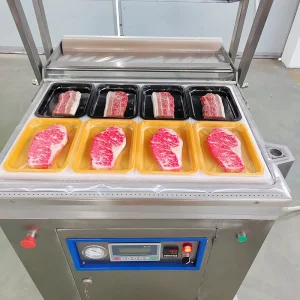
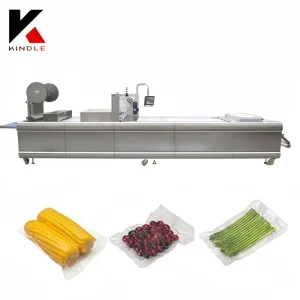
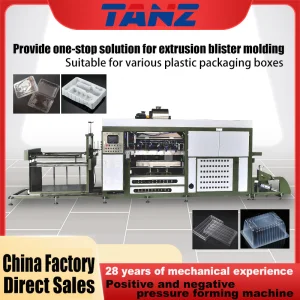
Additionally, modern pressure forming technology combines vacuum force with positive pneumatic pressure (up to 6 Bar) from the top chamber. This ensures crisp detail on sharp-angled molds, such as those used for clamshell boxes and cup lids. On the other hand, inline vacuum packaging systems use high-performance vacuum pumps to remove oxygen down to less than 1% concentration. This process effectively extends the shelf life of fresh proteins and perishable dairy products without requiring chemical additives.
As a global exporter of heavy industrial equipment, Hangzhou Switara Packing Co., Ltd. ensures that every machine conforms to international safety and engineering standards. This dedication is backed by certifications and engineering configurations optimized for international markets:
We configure electrical cabinets to support specific regional requirements, including 380V/50Hz, 415V/50Hz, 220V/60Hz, and 460V/60Hz. This ensures seamless onsite integration without the need for external transformers.
Our electrical designs adhere to European CE and North American UL standards. Every machine features emergency stop loops, isolated low-voltage control circuits, and robust safety enclosures.
With integrated IoT network modules, our engineers can perform remote diagnostics, update PLC software parameters, and assist your plant maintenance technicians across different time zones.
The packaging automation industry is shifting toward data-driven production environments. At Hangzhou Switara, our research and development focuses on integrating modern smart technologies directly into our machinery lines:
Predictive Maintenance Integration: By utilizing vibration and thermal sensors on mechanical main drives and servo systems, our machinery can monitor tool wear in real time. The system alerts operators before component failure occurs, helping to avoid costly unscheduled downtime.
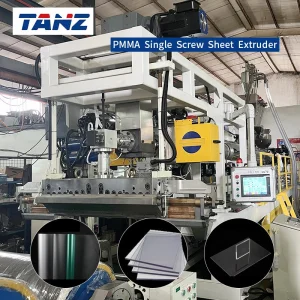
Zero-Waste Edge Trim Recovery: To support environmental initiatives and reduce material costs, we are developing inline grinding systems that recycle edge trim directly back into the sheet extrusion line. This design helps minimize waste and reduces raw material consumption.
Multi-Language Smart Interface (HMI): Our current HMI screens feature user-friendly troubleshooting guides with 3D diagnostic schematics. This assists operators in resolving production stops quickly, without requiring advanced technical training.
 Switara Packing