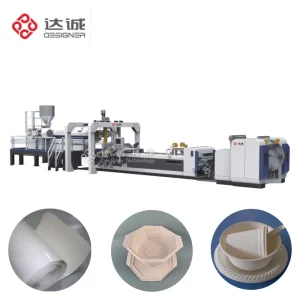
Explore our high-performance machinery designed for medical, food, and industrial plastic packaging automation.
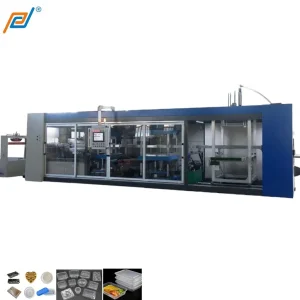
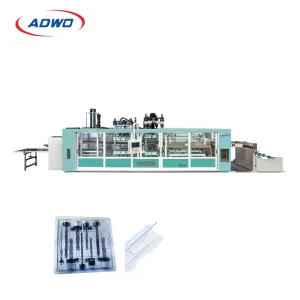
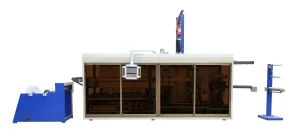
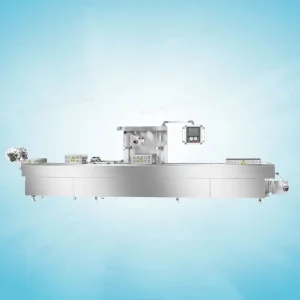
Hangzhou Switara Packing Co., Ltd. is a professional manufacturer specializing in thermoforming packaging machines and plastic forming automation solutions. Since its establishment, the company has focused on delivering advanced, reliable, and efficient packaging technologies for industries such as food, medical, electronics, and consumer goods. With a strong emphasis on innovation and engineering excellence, Switara has continuously evolved to meet the growing demands of global packaging markets.
In its early years, the company started as a small workshop dedicated to basic plastic forming equipment. Through consistent investment in research and development, Switara gradually expanded its capabilities, introducing semi-automatic thermoforming machines and improving production precision. As market demand increased, the company transitioned into fully automated thermoforming packaging systems, integrating modern control technologies and intelligent operation features.
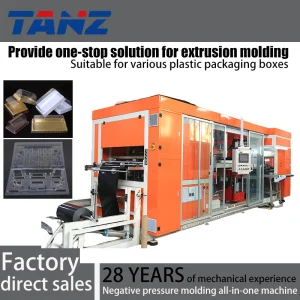
Over time, Hangzhou Switara Packing Co., Ltd. established a comprehensive production system supported by experienced engineers, advanced manufacturing facilities, and strict quality control processes. The company now offers customized solutions, including vacuum forming, pressure forming, and integrated packaging lines designed to enhance productivity and reduce operational costs.
Today, Switara continues to expand its global presence, committed to providing high-performance thermoforming packaging machinery and becoming a trusted partner for customers seeking efficient and scalable packaging automation solutions.
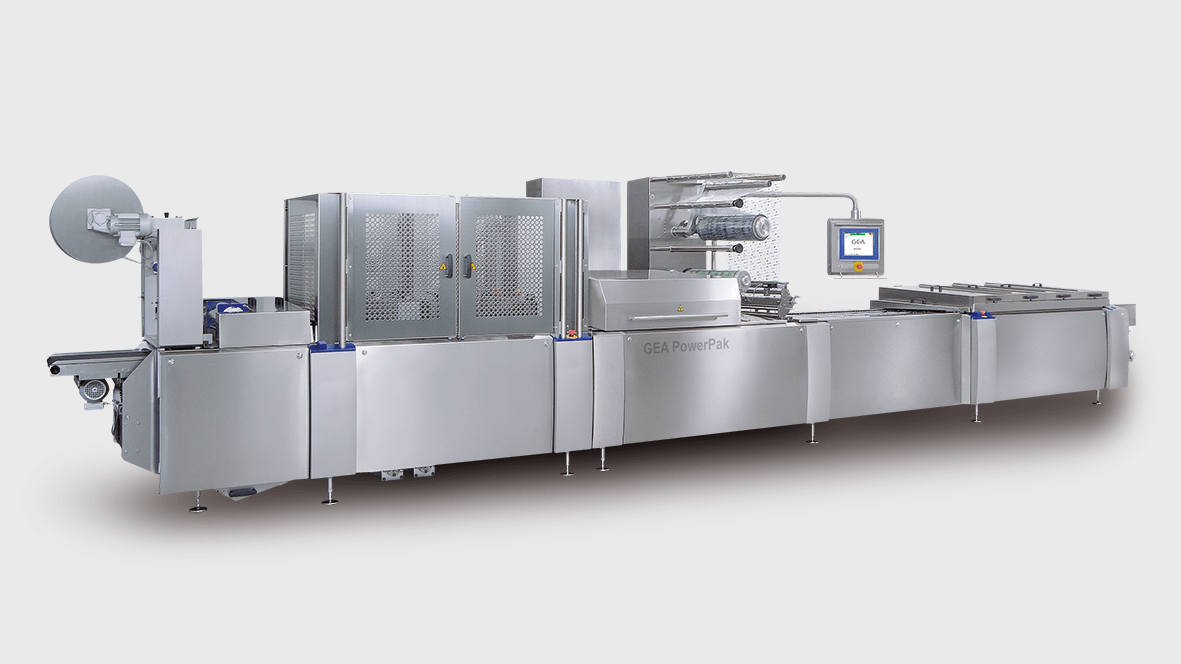
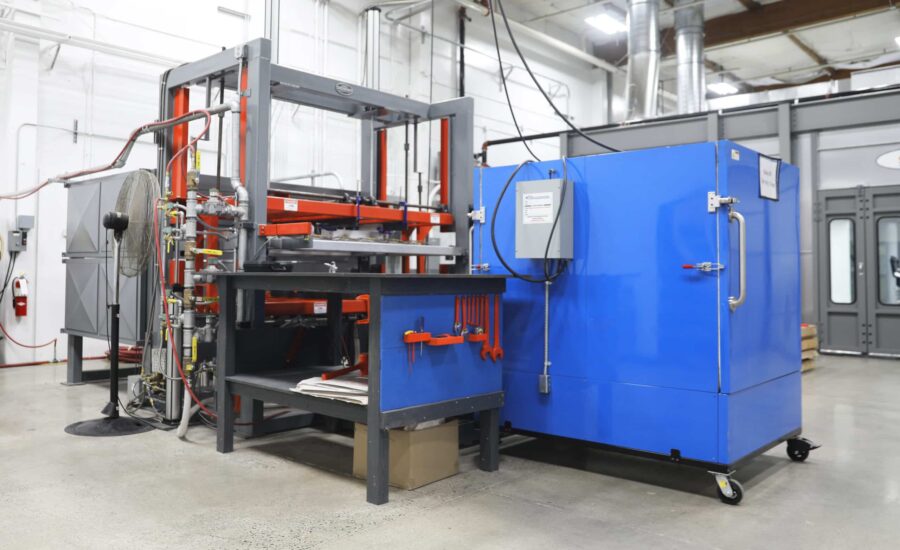
Understanding the tectonic shifts in thermoformed barrier packaging and automated processing machinery.
The global plastic blister packaging market is undergoing an unprecedented paradigm shift. Historically driven by basic retail display requirements, today's industrial applications demand high mechanical rigidity, precise barrier properties (OTR/WVTR), and rapid cycling speeds. Valued at over USD 25 Billion globally, the sector is heavily influenced by the rise of medical device compliance protocols, pharmaceutical unit-dose configurations, and the absolute mandate to reduce single-use plastic carbon footprints.
As a leading Chinese manufacturer and exporter, Switara bridge the gap between high capital investment Western machinery and low-accuracy tooling. Chinese manufacturing clusters have advanced from basic thermal duplication to high-speed, multi-station, servo-driven positive/negative pressure systems. Through integration with CNC centers utilizing Taiwan Syntec Control Systems, we guarantee continuous operation under tight mechanical tolerances, allowing global distributors to secure high margin production contracts.
Tailoring thermoforming mechanics and material setups to meet precise sector-specific compliance standards.
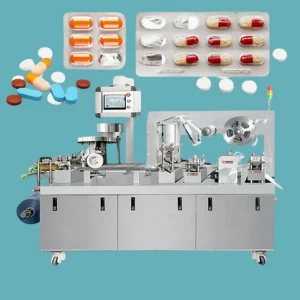
Rigid Tyvek-to-PETG blister packaging configurations. Systems comply strictly with ISO 13485 requirements, maintaining structural sterile barrier systems (SBS) for syringes, surgical kits, and pharmaceutical unit-dose capsules.
Roll-fed thermoforming vacuum lines for fresh meat, poultry, and dairy. Engineered to form deep-draw PP/EVOH/PP barrier trays, purging ambient atmosphere to replace it with nitrogen/CO2 mixes (Modified Atmosphere Packaging).
High-clarity APET/PET clamshell containers and anti-static (ESD) trays for high-value micro-components. Employs precision punching tools to eliminate jagged edges and ensure automated robotic handling compatibility.
In high-aspect-ratio deep-draw thermoforming (where depth exceeds width by >1:1.5), gravity and initial contact can cause uneven wall distribution. Switara utilizes pre-stretching mechanical plug assists and micro-adjustable vacuum distribution zones. This prevents localized structural failure, reducing raw plastic sheet gauge thickness requirements by up to 18% while retaining equivalent top-load and compression parameters.
Bridging mechanical automation with biological material chemistry to meet stringent global sustainability mandates.
Processing Polylactic Acid (PLA) demands tight heat control due to its narrow processing window (150°C-160°C). Our advanced thermoforming chambers deploy multi-zone PID infrared heaters to maintain even temperatures, preventing crystallization and brittleness during forming.
Standard vacuum forming relies on 1 bar of atmospheric pressure. Hybrid pressure systems inject clean, compressed dry air (up to 6 bar) from above while pulling a vacuum from below. This achieves sharp, defined radii, crisp product textures, and highly secure mechanical snap-fits.
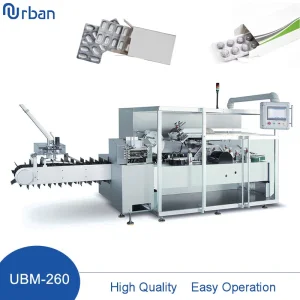
Integrating mechanical forming with primary and secondary packaging packaging lines. Blisters are thermoformed, filled with product, sealed, punched, and automatically loaded into carton boxes via high-speed rotary pick-and-place robots in a single, continuous workflow.
A reference guide for plant operators selecting machinery parameters for high-volume manufacturing campaigns.
| Material Type | Optimal Heat Range (°C) | Crystallization Risk | Recommended Air Pressure | Primary Industrial Applications |
|---|---|---|---|---|
| APET / rPET | 125 - 150 | Medium (Requires cooling roll control) | 2.0 - 4.5 bar | Food trays, clamshells, cosmetic blister cards |
| PP (Polypropylene) | 155 - 170 | High (High shrinkage, requires hot molds) | 4.0 - 6.0 bar | Microwavable containers, MAP food cups, medical trays |
| PVC | 110 - 135 | Low (Highly versatile) | 1.5 - 3.0 bar | Pharmaceutical tablet blister packs, hardware displays |
| PLA (Biodegradable) | 95 - 120 | Very High (Narrow thermal zone) | 3.5 - 5.5 bar | Eco-friendly fresh fruit containers, cold drink lids |
| HIPS | 130 - 160 | Minimal (Excellent draw ratio) | 1.0 - 2.5 bar | Industrial transit trays, seed starter pots, dairy cups |
Expert engineering answers to critical operational, design, and chemical challenges in thermoforming production.
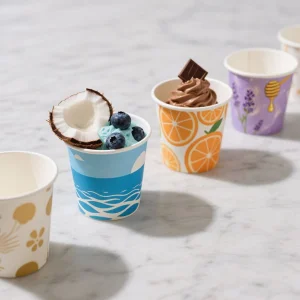
Refining every phase of your blister processing, from CNC milling centers to final eco-friendly cups.
 Switara Packing