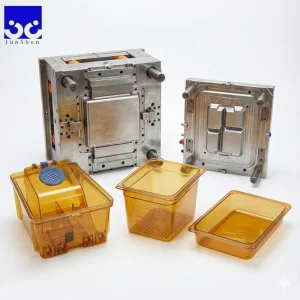
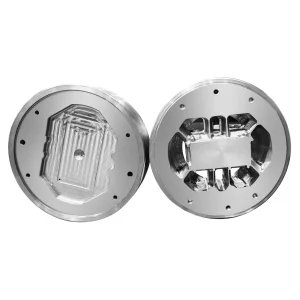
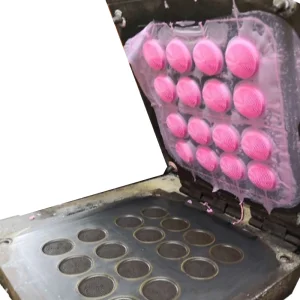
Engineered for Nepalese manufacturing lines requiring high-cycle durability and optimized raw material usage.
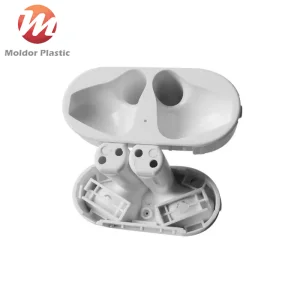
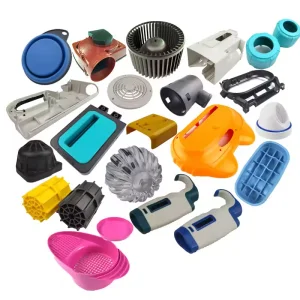
Accelerating localized production to meet growing domestic consumption and stringent export standards.
In recent years, Nepal’s industrial centers—extending from the Kathmandu Valley to Birgunj, Biratnagar, and Bhairahawa—have witnessed a significant transition. Historically reliant on imports for finished plastic goods and food packaging containers, localized thermoforming factories and injection molding plants are rapidly emerging. This shift is driven by the necessity to reduce reliance on long overland freight corridors, minimize duty exposure, and implement customized packaging designs for local fast-moving consumer goods (FMCG), dairy, horticulture, and pharmaceutical companies.
However, setting up a state-of-the-art thermoforming facility in Nepal presents unique technical hurdles. Local operators often experience variances in polymer sheet consistency (PET, PP, HIPS, and biodegradable PLA), inconsistent electricity supplies requiring robust tool designs that tolerate thermal fluctuations, and a lack of local precision CNC toolmaker centers. Consequently, sourcing high-durability, custom-designed mold and tooling solutions from China has become a critical strategic advantage for Nepalese factories and exporters seeking to scale up production.
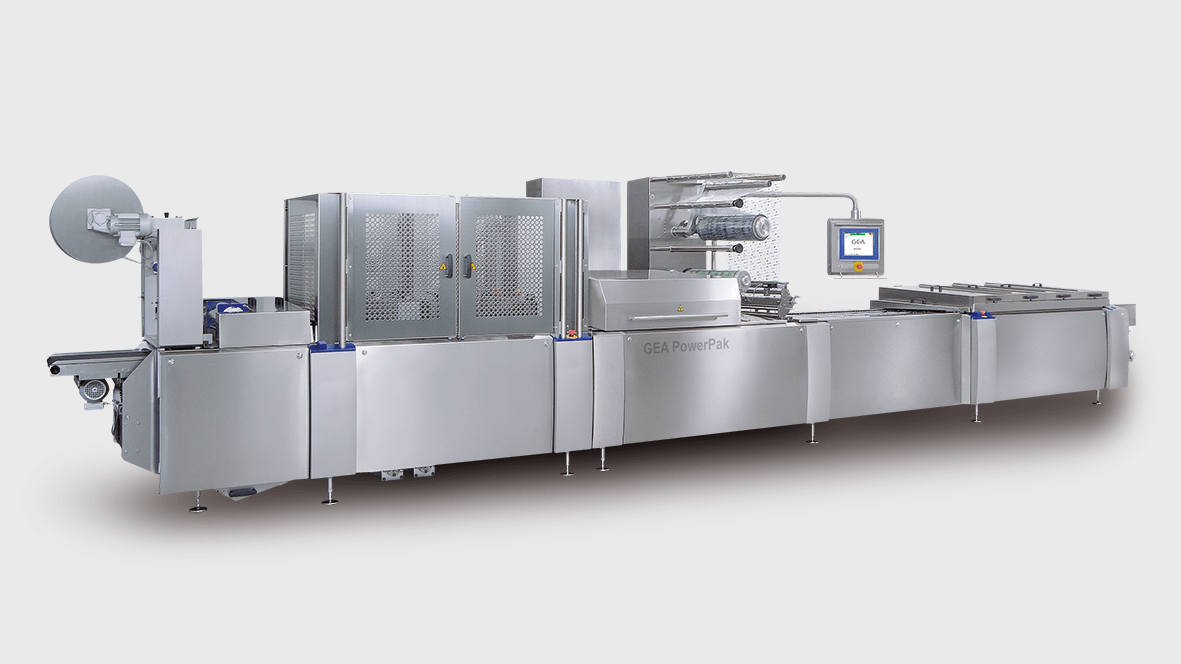
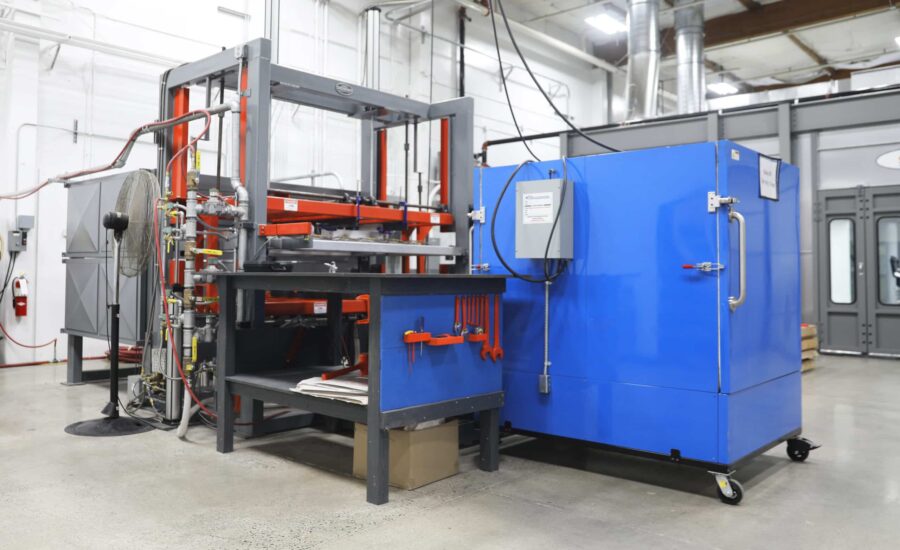
For Nepalese exporters delivering agricultural goods, processed food products, and pharmaceuticals to India, China, and the Middle East, packaging is the first line of brand authority and product safety. Tooling precision directly dictates wall thickness uniformity, material yield efficiency, and cycle time performance. A sub-standard mold design leads to excessive material wastage (flange scrap), structural weaknesses in container corners, and high rejection rates during automated sealing trials.
By leveraging advanced Chinese tooling engineering, factories can deploy multi-cavity thermoforming molds equipped with auxiliary plug-assist technologies, high-efficiency water-cooling channels, and premium-grade tool steels (e.g., Al7075, P20, or H13). This level of engineering ensures that even under rapid cycling speeds and varying material inputs, the final product remains geometrically uniform, satisfying both domestic regulatory bodies (such as the Department of Food Technology and Quality Control - DFTQC) and global buyers.
Integrating thermal dynamics, high-precision CAD modeling, and long-term durability metrics.
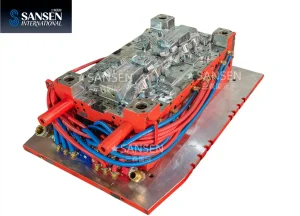
Features 3D conformal cooling channels to ensure uniform heat dissipation across complex product profiles, eliminating warpage and dramatically decreasing cycle times (up to 25% faster).
Utilizes syntactic foam, PTFE, or polished aluminum plug assists to control sheet stretching, allowing for ultra-deep-drawn thermoforming containers with consistent wall thickness.
Constructed with superior tool-grade materials and wear-resistant coatings (e.g., hard anodizing or chrome plating) to resist abrasive materials like PET/PLA, prolonging mold lifespan up to millions of cycles.
Our operational footprint reflects our dedication to efficiency, scale, and cross-border partnership reliability.
Founded initially as a dedicated plastic forming engineering workshop, Hangzhou Switara Packing Co., Ltd. has expanded its capabilities into advanced, high-speed automated thermoforming systems and precision tooling. By coordinating directly with our client partners in South Asia, we ensure seamless import processing, cross-border customs optimization, and dedicated post-sale engineering coordination.
Request Technical ConsultationTailoring sheet-forming parameters to fit local high-demand industry profiles.
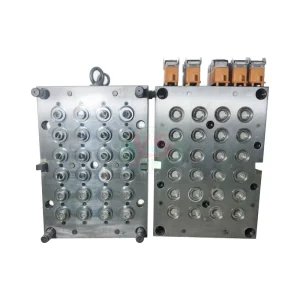
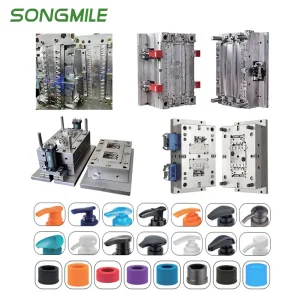
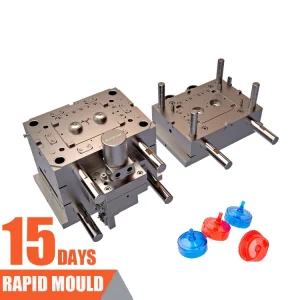
For Nepal's pure spring and mineral water packaging companies (concentrated in Kathmandu, Pokhara, and Nuwakot), we design high-cavity cap molds with fast-cooling gates to match high-volume rotary bottling line speeds.
We supply precision tooling for ALU-PVDC and PET thermoformed blister packaging, serving major pharmaceuticals along the Birgunj-Hetauda corridor in strict alignment with WHO-GMP cleanroom demands.
Providing specialized thermoformed packaging tooling for high-altitude fresh food products (such as apples, berries, and organic mountain tea) aimed at high-margin export markets in Asia and Europe.
Actionable intelligence for Nepalese factory managers, procurement heads, and export logistics coordinators.
Our technical intake protocol involves a complete mechanical review of your current machinery (including platen sizes, clamping force, ejector strokes, sheet-feeding mechanisms, and cutting press specifications). We utilize 3D CAD/CAM models and provide structural simulation reports before manufacturing the actual tooling steel, ensuring plug-and-play alignment upon arrival at your facility in Nepal.
We offer two key logistical pathways depending on urgency: Overland shipping via the Gyirong (Kerung) or Zhangmu border ports directly to Kathmandu (ideal for faster arrivals of specialized tooling packages), or maritime container freight via Kolkata Port in India, followed by rail/road transit to the Birgunj Dry Port for larger machine and multiple mold consignments.
Yes. We design the heat profiles, draft angles, and air-vent systems within the tool to allow for a broader processing window. This accommodates slight thickness variations and different thermal behaviors common in local recycled resins or eco-friendly biodegradable PLA materials imported into Nepal.
We provide comprehensive technical documentation, tooling manuals, and direct engineering video consultations. In addition, we design all tool components using modular inserts. Should a change or replacement be necessary, we can manufacture and express-ship specific modular inserts to Kathmandu or Birgunj, saving our clients the cost and delay of sending the entire mold back.
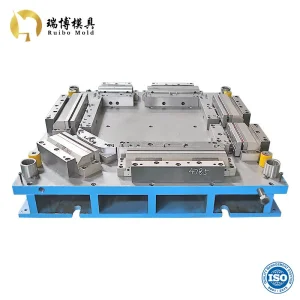
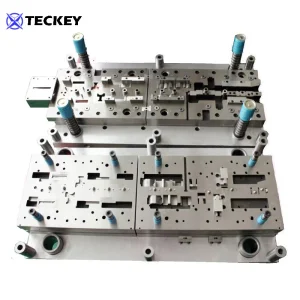
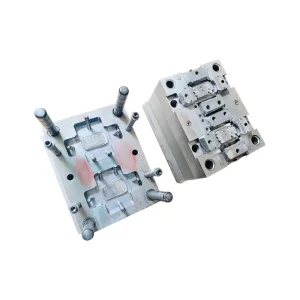
Broad-spectrum manufacturing components, from automotive single-stamping dies to multi-cavity food containers.
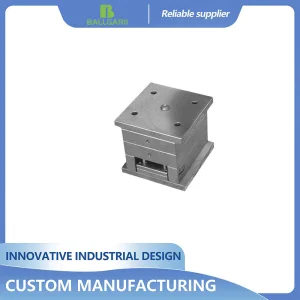
 Switara Packing